Best eSIM for Thailand: 4 Reddit Myths Debunked
You search Reddit for Thailand internet advice and come away with five different answers, all delivered with total confidence. The problem is that each recommendation reflects one traveler’s phone, budget, route, and data habits.
An affordable-looking unlimited plan may slow down after a small daily allowance, while a cheap data bundle may cost more per gigabyte than expected. Finding the best eSIM for Thailand means checking high-speed limits, price per GB, host network access, coverage needs, and setup time, as this Thailand eSIM cost comparison makes clear. Let’s separate useful advice from Reddit’s most common Thailand eSIM myths.
Thailand eSIM Myths: What Travelers Get Wrong on Reddit
Reddit advice often sounds confident, but the best eSIM for Thailand depends on network access, high-speed limits, and your route. Here’s the quick reality check before you buy.
| Reddit claim | Technical reality | Smarter buying benchmark |
|---|---|---|
| Unlimited daily passes always stay fast. | Fair use limits can reduce speeds after heavy usage. | Check the high-speed allowance before buying. |
| Airport SIM kiosks offer the best deal. | Queues and tourist pricing can raise the real cost. | Compare prices and install an eSIM before departure. |
| All travel eSIMs provide the same coverage. | Some roaming profiles access fewer local networks. | Confirm the Thai host carrier and island coverage. |
| 5G matters everywhere. | Remote areas may offer stronger, steadier 4G. | Choose reliable 4G coverage before chasing 5G. |
The practical buying rule
“Unlimited” sounds great until your connection slows after a small daily allowance. Always check the fair use policy, then compare the plan’s full-speed data against your expected usage.
Airport kiosks can still work, but convenience comes with trade-offs. You may wait in line, pay tourist rates, and spend your first minutes in Thailand sorting out connectivity. A pre-installed eSIM gets you online sooner.
Coverage also depends on the roaming agreement, not just the eSIM brand. Some plans connect through secondary networks, which can struggle on ferries, islands, or mountain roads. Compare regional eSIM coverage in Asia and look for clear host-network details.
For a closer look at local performance, this Thailand eSIM coverage guide explains why strong 4G remains useful outside major cities.
Four Thailand eSIM Myths That Can Ruin a Trip
Reddit advice gets expensive when you trust the headline instead of the plan details. Check the fine print before choosing the best eSIM for Thailand.
The Unlimited Data Plan May Slow Down After a Small Allowance
The claim: An unlimited daily plan stays fast all day.
The reality: Many plans include a fair use policy. They may offer unlimited access, then reduce speeds after a small high-speed allowance. Throttling can make Google Maps, ride-hailing apps, video calls, uploads, and hotspot use painfully slow.
The buying rule: Check four details before paying:
- The high-speed data allowance.
- The reduced speed after throttling.
- The daily reset time.
- The hotspot rules.
Not every unlimited plan throttles, but you shouldn’t assume unlimited means unlimited high-speed data. Choose a fixed-data bundle when predictable performance matters. You can also learn how to set up a travel eSIM before departure.
A Low Total Price Does Not Guarantee Good Value
The claim: The cheapest plan offers the best deal.
The reality: A low price means little without the included high-speed data. Divide the plan price by its valid high-speed allowance to find the real cost per gigabyte.
For example, a $4 plan with 500MB costs $8 per GB. A $12 plan with 15GB costs only $0.80 per GB.
Compare these details before choosing:
- Valid high-speed data.
- Plan validity period.
- Taxes and fees.
- Renewal or top-up costs.
A cheap plan can suit light users, but price per GB reveals the stronger value for regular travelers.
Coverage Can Change Between Bangkok, Islands, and Mountain Roads
The claim: Every Thailand eSIM performs the same nationwide.
The reality: Two eSIMs can use different host carriers, roaming agreements, and network priorities. Congestion also changes performance in crowded cities, while terrain affects service on islands, ferries, and mountain roads.
The buying rule: Check which Thai network supports the plan. Primary host-network access and broad 4G coverage often matter more than a 5G label. Don’t expect perfect service on every beach, boat route, or hiking trail.
A strong 4G connection is usually more useful than brief 5G access that disappears outside Bangkok.
Buying at the Airport Is Not Always the Fastest Option
The claim: Buying a physical SIM at Suvarnabhumi Airport saves time.
The reality: Busy kiosks can mean queues, tired arrivals, unclear plan terms, and setup delays. You also lose time comparing data allowances and network access.
You can install an eSIM profile at home, then activate data after landing. Installation and activation may happen at different times, depending on the plan. Follow the provider’s instructions, and keep Wi-Fi available during installation.
That way, you arrive with the setup handled instead of standing in line before your first ride.
How Much Data Do You Really Need for Thailand?
Your ideal Thailand eSIM depends on trip length and daily habits. Maps and messages use little data, while video calls, streaming, and hotspots consume it quickly.
A Seven-Day Island Trip Usually Needs 5GB to 8GB

A seven-day island trip usually fits comfortably within 5GB to 8GB. That range covers Google Maps, translation, messaging, ride-hailing, restaurant searches, light social media, and occasional photo sharing.
You still need a buffer. Ferry terminals, beach areas, and transport apps can become inconvenient places to lose service. Download offline maps before traveling, but keep mobile data available for live routes, booking changes, and emergency searches.
Travelers who stream video, upload large photo batches, or use a hotspot should choose more data. For lighter habits, this one-week travel data guide supports the 5GB to 8GB benchmark.
A Two-Week Vacation Often Fits Within 10GB to 15GB
A 14-day vacation usually needs 10GB to 15GB for regular navigation, social media, photo uploads, voice calls, bookings, and moderate browsing.
Hotel Wi-Fi can reduce mobile usage, especially when you upload photos or download travel content at night. Frequent uploads, video calls, and mobile streaming can push your total much higher.
Choose a plan with a clear top-up or renewal option. Running out near a ferry departure or airport transfer is a needless headache.
A Monthlong Stay May Need 20GB to 50GB
Digital nomads, long-stay visitors, and remote workers should budget 20GB to 50GB for a 30-day stay. Video meetings, cloud files, streaming, laptop tethering, and frequent uploads quickly turn light usage into heavy usage.
A low sticker price matters less than high-volume data, hotspot support, and reliable renewal terms. If you plan to work online, review how much data hotspot use can require before choosing a small bundle.
A renewable plan often makes more sense than one oversized package. You can start with a reasonable allowance, monitor your usage, and add data without replacing the eSIM.
How to Find the Best eSIM for Thailand Without Following Forum Hype
The best eSIM for Thailand depends on your trip length, data use, route, phone, network access, and budget. Ignore the loudest forum recommendation and compare the technical details instead.
Check High-Speed Data Before You Check the Marketing Label
Words like “unlimited,” “premium,” and “5G” sound impressive, but they don’t explain daily performance. Find the exact high-speed allowance, reduced speed after the limit, network priority, and tethering policy.
A plan that slows after 500MB may struggle with maps, video calls, uploads, and hotspot use. A fixed-data plan offers clearer performance, while an unlimited daily plan may suit light users who accept possible throttling. Renewable high-volume plans work well for longer stays and remote work.
Compare plans in this order:
- High-speed data and price per GB.
- Validity period and Thai host networks.
- Hotspot rules and activation method.
- Customer support and refund terms.
The price per GB tells you more than the starting price. The high-speed limit tells you whether the plan fits your habits.
Match the Network to Your Route, Not Just Your Hotel
Bangkok, Chiang Mai, Phuket, Krabi, and Koh Samui usually offer more network choice than smaller islands or rural roads. Check the eSIM’s Thai network partnerships and coverage maps before paying.
Your route matters more than your hotel address. A plan that works well in Bangkok may perform differently on a ferry, mountain road, or quiet beach.
Coverage maps cannot guarantee service inside buildings, on boats, or through steep terrain. Strong 4G may prove more useful than brief 5G access that disappears outside major cities.
Confirm Your Phone Supports eSIM and Is Unlocked
Your phone needs two things: eSIM hardware and an unlocked status. Check your settings for an eSIM or “Add Cellular Plan” option, then look for carrier-lock information.
Menu names vary between iPhone and Android models. Older phones, region-specific versions, and carrier-financed devices deserve extra checking before purchase. Apple’s worldwide eSIM provider information can help confirm regional support.
Don’t wait until the airport. Confirm compatibility, install the profile on reliable Wi-Fi, and review the provider’s travel eSIM APN settings if activation requires manual setup.
Set Up Your Thailand eSIM Before You Leave Home
A few minutes of setup at home can save you from airport queues, roaming surprises, and frustrating network problems. Check your phone, install the profile on stable Wi-Fi, and decide which line handles data before departure.
Keep Your Home Number Available Without Paying Roaming Fees
Dual-SIM settings let you keep both lines active, but each line needs a clear job. Keep your home line available for calls, banking texts, and security messages. Select the Thailand eSIM as your mobile data line.
Label the new line “Thailand” so you can identify it quickly. Then disable data switching, which stops your phone from using the home line when the travel eSIM loses signal.
Turn off data roaming on your home line before takeoff. Your Thailand plan may require roaming to stay enabled on its own line, so check the provider’s instructions carefully.
Apple’s dual-SIM guidance for iPhone explains the basic settings. Android menus vary by manufacturer, so the labels may look different.
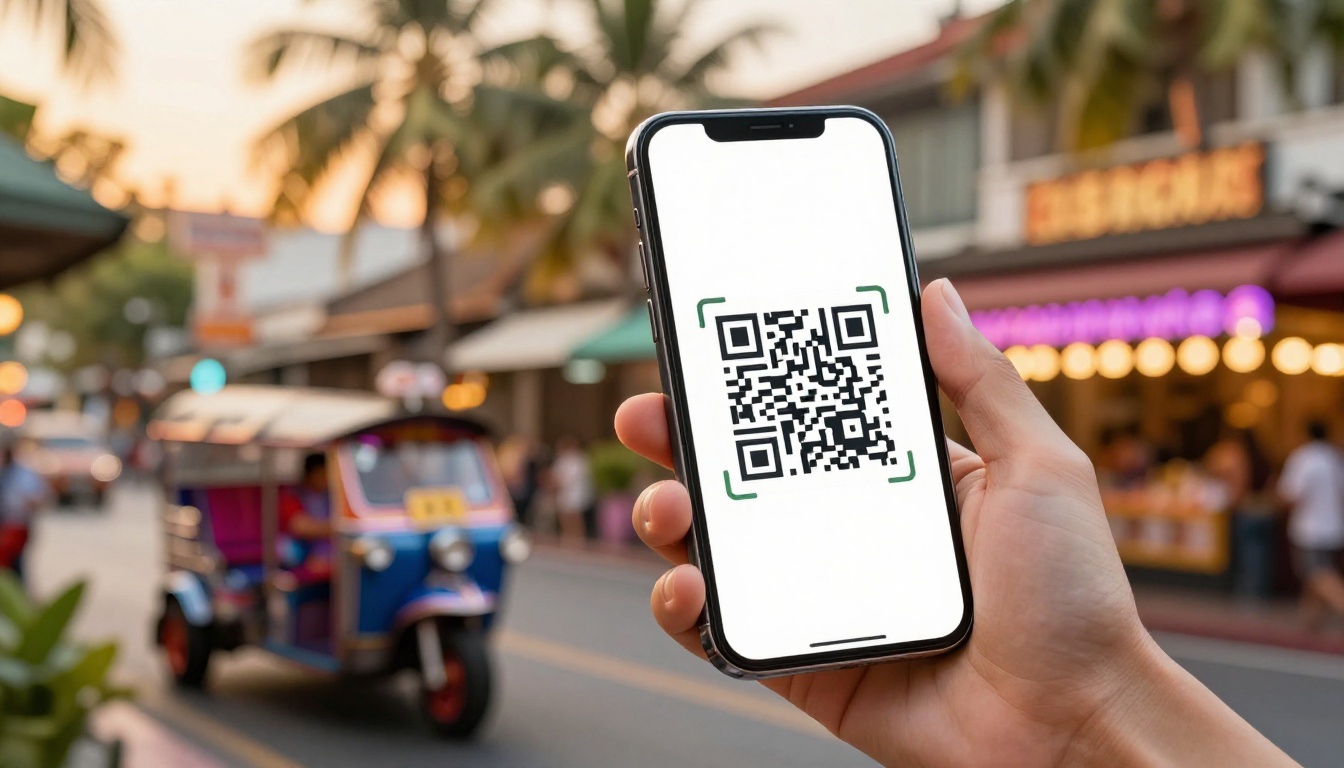
Carrier rules and phone menus also vary. Test the setup at home before departure, then review this QR code eSIM setup guide if installation feels unclear.
Know What to Do If the eSIM Does Not Connect
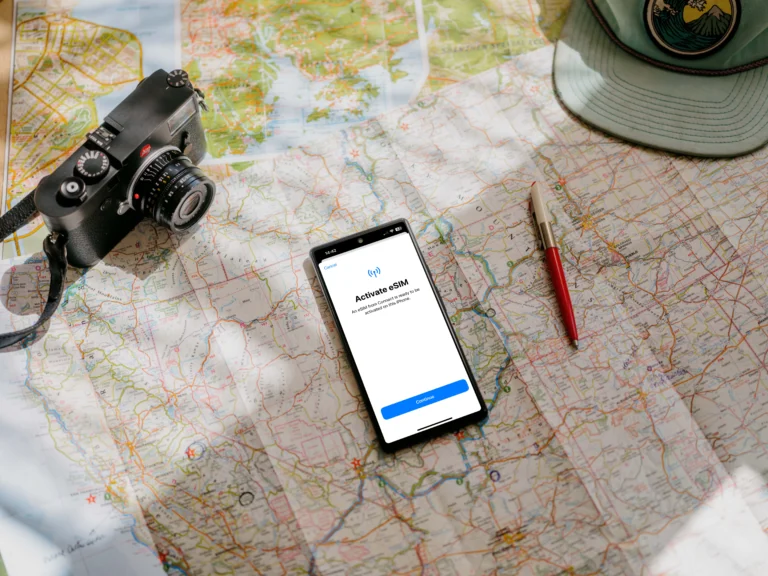
Some plans begin validity when you install them. Others start when they connect to a supported network. Read the activation rules before scanning the QR code.
Complete this quick check if you see “No Service”:
- Confirm the Thailand line is turned on.
- Select it as your mobile data line.
- Enable roaming on that line if the plan requires it.
- Restart your phone and wait several minutes.
- Check the APN only when the provider instructs you.
- Move outdoors or near a window for a stronger signal.
Save the setup instructions offline before leaving home. If the connection still fails, troubleshoot travel eSIM no service before contacting support.
Do not delete the eSIM profile. Deleting it may prevent reinstallation, especially if the QR code works only once. Keep the profile installed while support checks the account, network, and activation status.
Conclusion
Reddit can offer useful starting points, but forum confidence does not replace plan details. The best eSIM for Thailand depends on high-speed data, price per GB, validity, coverage, device support, and activation rules.
Unlimited data may slow down, low prices may hide poor value, and coverage can change by route. Airport purchases can also waste time when you could install your eSIM before departure. If setup causes trouble, review how to turn on data roaming for travel eSIMs.
Compare your options before departure, then choose a travel eSIM for Thailand that fits your itinerary. A few minutes of careful checking can prevent avoidable connection problems after landing.