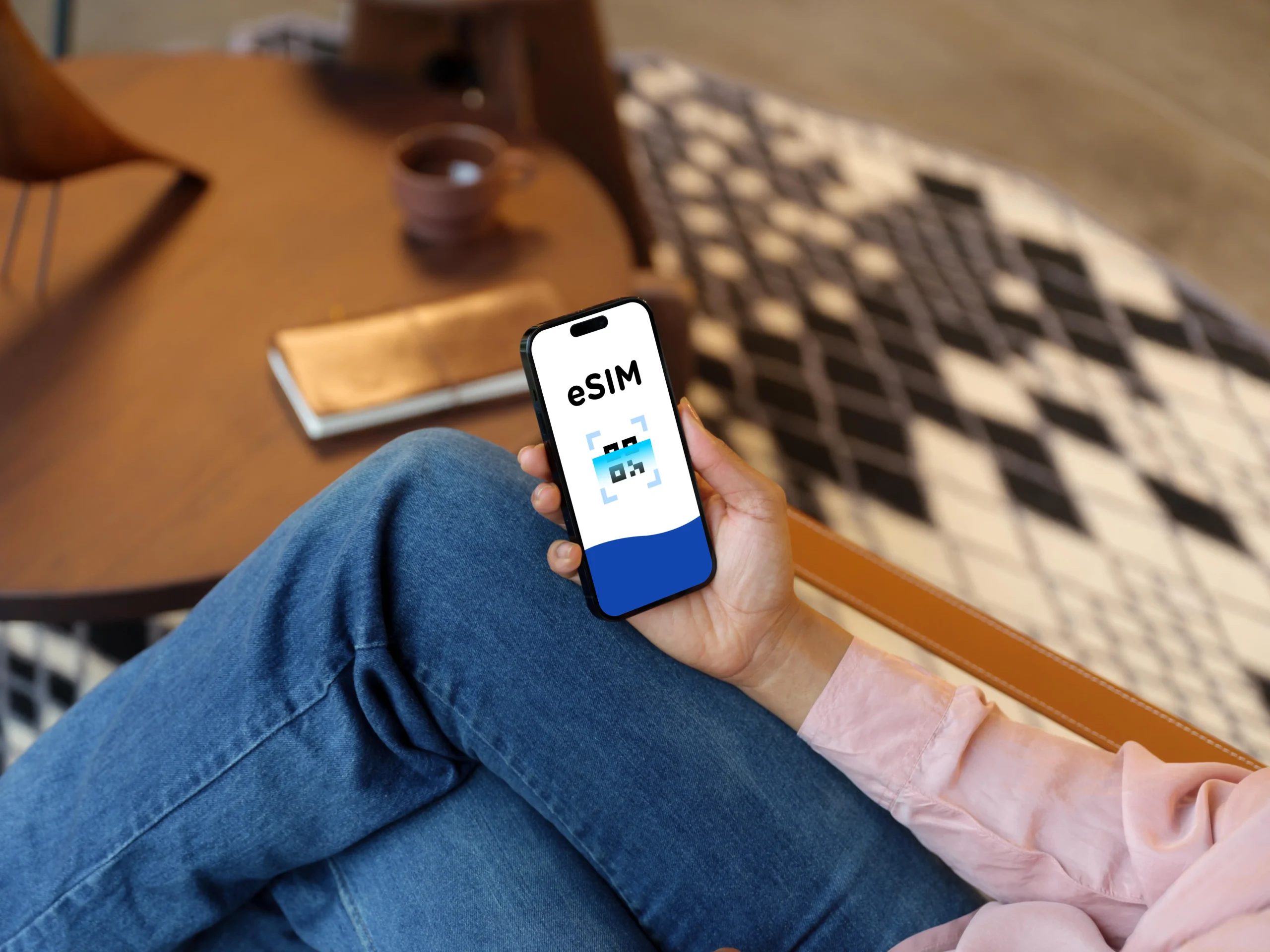
Is eSIM Worth It for Travel? Real Use Cases + When It’s NOT
It is officially 2026, and the “SIM card shuffle” has mostly gone the way of the paper map and the traveler’s check. Remember those tiny pieces of plastic we used to frantically swap with a paperclip in the middle of a crowded terminal? Those days are effectively over. With over 85% of international travelers now opting for digital connectivity, the eSIM for international travel has become the gold standard for staying online while hopping across borders.
I’ve been using these digital chips since they were a niche tech feature, and while they are undeniably the future, they aren’t a magic wand that works for every person in every situation. There’s still a real conversation to be had about digital convenience versus traditional reliability. Whether you are a digital nomad or a once-a-year vacationer, understanding the landscape of 2026 is the best way to avoid a “no signal” disaster.
Five Reasons Why eSIM Is Often the Best Choice
Getting connected used to be the first chore you tackled after landing, usually involving a long line at a brightly lit kiosk and a tired vendor asking for your passport. Now, the convenience of an instant setup is hard to beat. You can literally browse and buy your data plan while you are waiting for your morning coffee at your home airport. By the time your plane wheels touch the tarmac in a new country, your phone is already chatting with local cell towers.
Financially, it’s a total no-brainer. The days of paying your home carrier a “convenience fee” of $10 or $15 per day just to use your own data are gone. I’ve seen $15 data packs that last for two weeks, which is a massive saving compared to the hundreds of dollars traditional roaming costs. Plus, you get to keep your home SIM active in the background. This is huge for receiving those annoying but necessary bank security codes (2FA) via text while your eSIM handles the heavy lifting of Instagram uploads and Google Maps.
Never Lose a Tiny SIM Card Ever Again
The physical safety of a digital chip is something you don’t appreciate until you’ve dropped a nano-SIM into a gap in the floorboards of a Parisian cafe. Since an eSIM is embedded in your phone’s hardware, there is nothing to lose, break, or accidentally wash in your jeans pocket. Most modern phones in 2026 are incredibly powerful, allowing you to store between five and ten separate plans at once. You can toggle between your “Japan Plan” and your “Global Plan” with a simple tap, keeping your physical slot empty or non-existent.
Skip the Airport Kiosk Lines and Long Waits
I call it the “Landing Groove.” It’s that feeling when you walk off the jet bridge, turn off airplane mode, and immediately get a “Welcome to London” notification with a working signal. You don’t have to hunt for a physical store, you don’t have to deal with language barriers with a vendor who is clearly over their shift, and you don’t have to carry around a plastic card frame. You’re already in an Uber and heading to your hotel while others are still looking for the arrivals hall SIM booth. If you’re still curious about the technical side, checking out an eSIM setup and activation guide can help demystify the process before you fly.
Real Use Cases: When Travel eSIMs Really Shine
If you are planning a multi-country tour, like a month-long trek through the European Union or a Southeast Asian circuit, eSIMs are a lifesaver. Instead of collecting a graveyard of plastic chips from every country, you can grab a single regional plan. These regional options have become much cheaper in 2026, often costing nearly the same as a single-country plan. It makes border crossings feel invisible because your phone just grabs the next available network without you lifting a finger.
We also have to talk about how we travel now. AI assistants are everywhere in 2026, and they are hungry for data. Whether you’re using live voice translation to talk to a taxi driver or having an AI dynamically change your itinerary because of a sudden rainstorm, you need a constant, fast connection. Most travel eSIMs now support 5G as the standard, making these high-tech tools actually usable. If you want to see how these stack up, you can compare digital travel SIMs to find which one fits your specific data needs for AI-heavy trips.
The Catch: When an eSIM Is NOT Worth It
As much as I love the tech, there are real deal-breakers. The biggest one is phone locking. If you are still paying off your phone through a carrier like AT&T or Verizon, there is a high chance they have “locked” your device. If your phone is locked, it will reject any travel eSIM you try to install. It doesn’t matter how great the deal is; if the hardware says no, you’re stuck with your carrier’s expensive roaming.
Another hurdle is local law. While most of the world has embraced the digital shift, certain countries still have strict government registration laws. In some places, you might still need to upload a photo of your passport and wait up to 24 hours for a digital plan to be manually approved. It’s not always “instant,” and if you need internet the second you land in a country with strict regulations, a physical SIM from a local shop might actually be faster.
The Difficulty of Moving Data Between Phones
One major downside is the lack of physical flexibility. With a plastic SIM, if your phone battery dies, you can just pop the chip into your friend’s phone to make a call. You can’t do that with an eSIM. Moving a digital profile usually requires a stable Wi-Fi connection and, in some cases, a security code from the provider. It’s a bit more “locked in” to the specific device you used for the initial download, which can be a pain if you’re prone to tech mishaps.
Data-Only Limitations for Traditional Callers
Most travel eSIMs are “data-only.” While some 2026 plans are starting to include local numbers, many still don’t. This can be a headache if you need to make a traditional phone call to a local restaurant that isn’t on WhatsApp or if you need to receive a call from a local tour guide. If you don’t have a local number, you might find yourself struggling to register for local bike-share apps or food delivery services that require a local SMS confirmation.
Choosing the Right Provider for Your 2026 Travels
By now, the market is crowded with options, but a few names always rise to the top of my list. For general reliability and a massive list of supported countries, Airalo is still the dependable veteran. If you’re someone who spends all day uploading 4K video to social media, Holafly is usually the winner because of its unlimited data options (just watch out for their “fair use” throttling).
Saily has also become a favorite for many in 2026 because of its incredibly clean, one-tap setup. Since it’s backed by the security experts at NordVPN, it feels a lot safer for people worried about data privacy while using public networks. Whichever you choose, always check for 5G support. In 2026, there is no reason to settle for 4G speeds when you are trying to navigate a foreign city.
Final Verdict on the Digital Shift
So, is the eSIM worth it? If you have an unlocked, modern phone and you value your time more than saving those last few pennies, the answer is a resounding yes. It’s the closest thing we have to a “borderless” phone experience. Just remember to check your device compatibility and install your plan while you’re still on your home Wi-Fi. A little bit of prep work before you leave ensures that your only concern when you land is finding the best local street food, not hunting for a signal. Best of luck on your next adventure, and stay connected!