
Best eSIM Apps In 2026: The Evolution Of Travel Connectivity
What is the modern eSIM app anyway? In its simplest form, it is a software-based gateway that replaces the old plastic SIM card with 100% digital connectivity. By 2026, this tech is moving toward an invisible experience (automatic activation the second you land) which makes the physical SIM drawer feel like a relic.
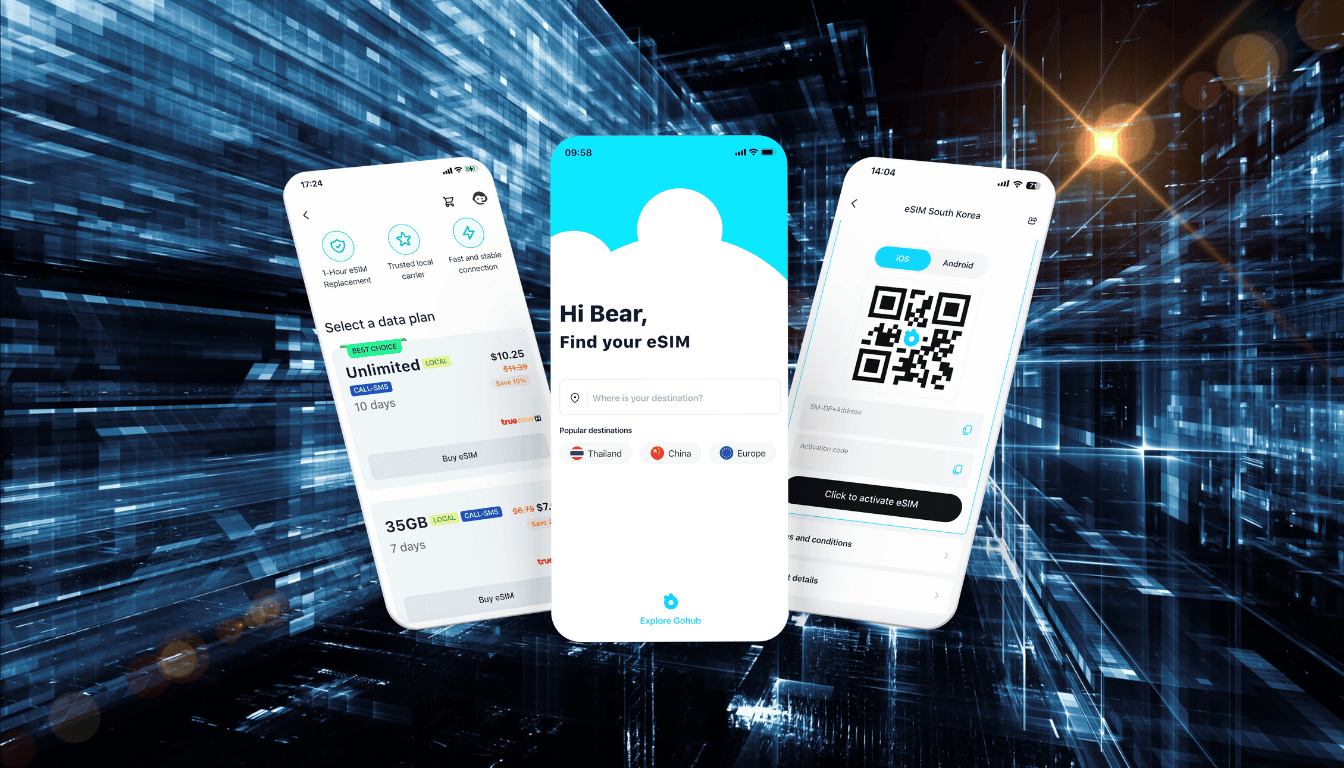
This guide delivers a deep dive into the major shifts coming this year, specifically looking at the move toward iSIM technology and 5G dominance. I will walk you through the top-rated apps like Gohub, which focus on speed, total price transparency, and getting you online without a single tap.
You are going to learn about the new criteria for the best eSIM plans 2026 including multi-device data pools and built-in laptop connectivity. I am also covering how AI-driven support now fixes technical glitches in seconds, effectively ending the era of midnight connectivity headaches.
The industry is leaning hard into “travel hubs” where your data plan comes bundled with subway passes and translation tools. If you are looking for a no-fuss setup that just works, here is everything changing in the world of travel data this year.
What Makes an eSIM App the Best Choice in 2026
Choosing the right connectivity partner in 2026 is no longer just about finding the cheapest data per gigabyte; it is about how that data behaves when you are actually on the ground. The gap between premium providers and budget-tier resellers has widened, making it vital to look under the hood of any app before you buy. A top-tier experience today feels like your home network, where the technology disappears and you are simply online without thinking about it.
To help you navigate this shifting terrain, we have broken down the two most critical benchmarks for a modern eSIM app. If an app cannot hit these standards for speed and cost clarity, it is probably a relic of 2023 that has not kept up with the times.
Network Speed and Real-World Performance
In 2026, 5G is the absolute floor for any respectable travel eSIM app. We are past the era where we would settle for patchy 3G or “throttled” 4G connections that barely load a map. Today, the best apps prioritize high-speed 5G and early 6G access in major urban hubs, providing average speeds between 200 Mbps and 500 Mbps. This level of performance is what allows for instant voice-to-voice translation and augmented reality navigation that does not jitter as you walk.
The “best” app must maintain these high speeds through high-quality carrier partnerships rather than relying on slow background connections. Many older-style providers use a method where your data is routed back to your home country before reaching you, which causes massive lag. In 2026, leading apps utilize Local Breakout (LBO) technology. This ensures your phone connects directly to the internet in the country you are visiting, resulting in latency under 10 milliseconds.
When comparing providers, look for those that offer transparency about which local network they use. For instance, a reliable mobile data for work in Japan should connect you to premium local networks like NTT Docomo or KDDI rather than a secondary, lower-priority provider. This distinction is the difference between a 4K video call and a frozen screen during an important meeting.
Pricing Transparency and Fair Use Limits
Pricing transparency has undergone a massive overhaul thanks to new global ‘Broadband Labels’ that require apps to show the total price upfront. You should never encounter hidden activation fees or surprise taxes at the final checkout screen. A top-notch app in 2026 displays the all-in cost immediately, allowing you to make a fair comparison between plans without doing mental math.
The way we look at “Unlimited” claims has also changed. Regulatory bodies now strictly monitor how these plans are marketed. In the past, “Unlimited” often meant you had a tiny bit of fast data followed by a drop to unusable speeds. Today, the best apps are forced to be honest about their Fair Usage Policy (FUP). They must clearly state exactly how much high-speed data you get before any slowing occurs.
To ensure you are getting a fair deal, it is wise to compare travel eSIM performance 2025 and 2026 standards to see which brands consistently favor the consumer.
| Feature | 2026 Best-In-Class Standard |
|---|---|
| Price Display | Total cost shown on the first click |
| Activation Fees | $0.00 (included in the plan price) |
| Unlimited Usage | Clear disclosure of FUP thresholds |
| Top-up Alerts | Real-time notifications at 50%, 80%, and 100% |
Reliable apps now include multi-device data pools within their pricing. This allows you to share your data between your phone, tablet, and laptop without paying for three separate plans. If an app still tries to charge extra for hotspotting or “tethering,” it is a clear sign to look elsewhere. Quality is now measured by how much freedom the plan gives you, not just how low the starting price looks on an Instagram ad.
Significant Changes in the eSIM Market for 2026
The eSIM landscape is undergoing a massive transformation that moves far beyond simple data connectivity. In 2026, the market has pivoted toward solving the actual pain points of travel rather than just providing a digital version of a plastic card. We are seeing a move away from standalone data apps and toward integrated platforms that act as a digital companion throughout your journey.

These changes prioritize the user’s peace of mind by removing the manual labor traditionally associated with switching networks. Whether it’s the integration of essential travel tools or the behind-the-scenes magic of automated signal optimization, 2026 is truly the year of the “set it and forget it” traveler.
The Shift Toward Travel-First Ecosystems
Modern eSIM apps have grown into comprehensive travel hubs that provide much more than just a connection. Developers realized that a traveler with a working data plan usually needs two other things immediately: a way to understand the local language and a way to pay for things. By 2026, top-tier apps have integrated these tools directly into the connectivity interface.
This ecosystem approach means you no longer have to jump between five different apps when you step off a plane. The best eSIM for international travel now features modular tools that activate based on your GPS location.
- Real-time translation: Active data profiles often unlock premium, low-latency translation layers that work globally.
- Currency converters: Live exchange rate widgets are pinned to your notification shade, using your data plan to stay updated to the second.
- Hyper-local info: Apps now push critical local alerts, such as public transport delays or weather warnings, specific to the city where your eSIM is currently active.
By bundling these features, providers ensure that you aren’t just “connected,” but also “equipped.” It’s an evolution from being a simple utility to becoming a central part of your travel gear, much like a universal power adapter or a high-quality suitcase.
Smart Switching and AI Optimization
The most significant technical leap in 2026 is the introduction of AI-managed network selection. In the past, if a local carrier had a dead zone, you were stuck manually digging through your phone’s deep settings to pick a different tower. Smart switching has effectively ended this frustration by using artificial intelligence to handle the “handshake” between your device and the best available signal.
These AI algorithms monitor network performance in real-time, looking at latency, upload speeds, and even the power consumption of specific bands. If a particular tower in Paris is congested due to a local event, the app silently moves your connection to a faster, less used carrier without you seeing a single “No Service” bar.
Beyond just speed, this technology prioritizes cost efficiency for the user. If you have a multi-network plan, the AI identifies which partner offers the best routing for your specific activities. For example, it might favor a low-latency network for a surprise work call and then switch to a high-bandwidth provider for streaming content later that evening. This level of eSIM technology explained shows how the tech has matured from a simple digital card into an active, intelligent management system. This ensures you always have the fastest possible signal for the lowest price, completely removing the need for user intervention.
Who Should Use eSIM Apps In the Modern Era
If you are still hunting for a paperclip to swap out plastic SIM cards while standing in a busy airport, you are working harder than you need to. Using traditional roaming or waiting in line at physical SIM kiosks feels like a relic of the past; it’s a waste of the limited time you have to actually enjoy your destination. In 2026, the answer to who should use an eSIM app is simple: everyone who travels, works remotely, or crosses borders for business.
These apps are now the gold standard for global connectivity because they solve the most annoying parts of travel tech. The technology has matured from a cool novelty to a necessary tool. Modern travelers expect their connection to be invisible and intelligent, moving away from manual setup. Whether you value peak performance or just want to avoid a massive roaming bill, there’s a specific way an eSIM app serves your lifestyle.
The Frequent Traveler: Prioritizing Borderless Coverage
If you are jumping between countries regularly, perhaps hitting three European cities in a single week, the continuity of a global eSIM app is a total lifesaver. Think about the friction of buying a new local SIM in London, tossing it when you land in Paris, and doing it all over again in Rome. That’s a lot of unnecessary work for someone who just wants to get to their hotel.
Modern apps let you shop for and install your data plan before you even leave your house. Most leading top eSIM providers for international trips offer regional or global packages that cover dozens of countries under one digital profile. This means you make one purchase and one installation. You stay connected as you cross borders, without ever seeing a “No Service” bar. It’s the ultimate choice for those who want to manage their trip without managing a handful of plastic chips.
Remote Workers and Digital Nomads: Reliability Over Everything
For the digital nomad, a phone isn’t just for social media; it’s a primary office tool used for video calls, large file uploads, and accessing secure servers. A basic connection won’t cut it. You need uptime and low latency. This is where the quality of network partnerships in an app becomes the most important factor.
Remote workers should look for apps that support Local Breakout (LBO) technology. This ensures your data doesn’t travel halfway around the world and back just to load a website, keeping your connection snappy for Zoom calls. Many top apps are also bundling security features like a built-in Virtual Private Network (VPN) directly into the data plan. This is a massive win for anyone working from a cafe or a co-working space, as it protects your sensitive work data without requiring a separate subscription.
The Occasional Holidaymaker: Simplicity and Cost Control
Even if you only fly internationally once a year for a relaxing vacation, an eSIM app is still a smarter move than relying on your home carrier. Traditional roaming fees are still notoriously high, often charging a flat daily rate for very little high-speed data. It’s easy to come home to a surprise bill that costs more than your plane ticket.
For the casual traveler, it’s all about cost prevention. You can lock in a predictable price, like a 5GB bucket for 10 days, for a fraction of what roaming would cost. The setup is incredibly simple; you just scan a QR code through the app, and you’re done. This speed is perfect for those who don’t want to spend their vacation troubleshooting tech. You get the affordable international data without roaming fees you need to check maps and share photos, leaving more money in your pocket for actual experiences.

Tech-Savvy Multi-Device Users: Integrated Travel Tools
If you appreciate a clean user interface and smart software, you are the prime audience for the latest generation of connectivity apps. In 2026, these platforms have stopped being simple data portals and started becoming comprehensive travel hubs. They reduce app clutter by putting everything you need for a trip into one dashboard.
What this looks like in practice is having integrated local utilities like currency converters, live transit schedules, and even real-time translation tools right alongside your data meter. Some apps even allow for multi-device data pools, letting you share one bucket of data across your phone, tablet, and laptop seamlessly. If you are looking for an ecosystem that manages your connection while making the rest of your travel logistics feel effortless, these integrated platforms are the way to go. It’s not just about getting online; it’s about having a smarter way to move through the world.
Global vs Regional eSIM Apps: Which Wins in 2026?
The battle between global and regional eSIM plans has reached a fever pitch in 2026 as travelers demand more from their digital connections. While both options offer the convenience of skipping the airport SIM kiosk, they cater to very different travel styles and data needs. A global plan offers the ultimate “set it and forget it” experience for those hopping across continents, whereas regional plans provide a high-performance, cost-effective sweet spot for those staying within a specific area like Europe or Southeast Asia.
Recent market data suggests that nearly 75% of users now lean toward regional or local plans due to their superior 5G speeds and lower price points. However, the remaining 25% of users—often elite business travelers and extreme digital nomads—find the premium cost of a global plan well worth the price for uninterrupted cross-continental connectivity. Choosing the winner depends entirely on whether you value the broad reach of a single profile or the localized power of a regional network.

Convenience vs Performance Tradeoffs
A global plan is worth the premium price when your itinerary is unpredictable or spans multiple continents in a single month. If you are flying from New York to London, then to Tokyo, and finishing in Sydney, a global eSIM is a total no-brainer. It eliminates the need to buy and install three or four different profiles, which saves you the headache of managing multiple data balances. For those who prioritize convenience above all else, having one single QR code that works in over 100 countries is the peak travel experience.
However, if you are looking for raw performance, a regional or local-first approach is almost always better. Global plans often route your data through a central “hub” in a different country, which can lead to higher latency (lag). This delay is most noticeable during video calls or when uploading heavy files for work. For a traveler spending two weeks in Italy, a dedicated local plan or a European regional plan will connect more directly to local towers, offering the snappy 5G speeds required for high-definition streaming and lag-free Zoom meetings.
To make the best choice for your next trip, consider the following breakdown of how these two approaches compare in real-world scenarios:
- Global eSIM Plans: These are ideal for “Executive Nomads” who value time over money. You pay more for the privilege of never seeing a “No Service” screen as you move between disparate regions like South America and Europe.
- Regional eSIM Plans: These provide the best balance for most travelers. If you are exploring the Asia-Pacific region with a single eSIM, you get localized routing, which means faster load times for maps and social media apps.
- Data-Heavy Activities: For anyone using more than 5GB of data per day through tethering or video editing, a local-first approach is significantly more affordable. Global data is expensive, and burning through it on high-bandwidth tasks can lead to a very costly vacation.
If you are still weighing your options, checking out frequently asked questions about eSIM can help clarify which setup matches your specific hardware and destination. Ultimately, the “winner” for 2026 is the regional plan, as it offers the specialized performance that modern, data-hungry apps require without the steep price tag of a global catch-all solution.
Spotlight on Gohub: A Leading Contender in 2026
Gohub stands out in the 2026 eSIM marketplace by focusing its entire platform on solving connectivity anxiety, which is a significant pain point for travelers. It is no longer enough to sell data; users now expect instant fixes and hardware-level efficiency from their connectivity partner. This provider understands that, blending robust carrier partnerships with smart software features. Where other apps leave you staring at a “Searching” message when you need it most, Gohub builds in proactive solutions that deal with connectivity headaches before they even become visible to you.
Why Gohub Fits Nature and Road Trip Travel
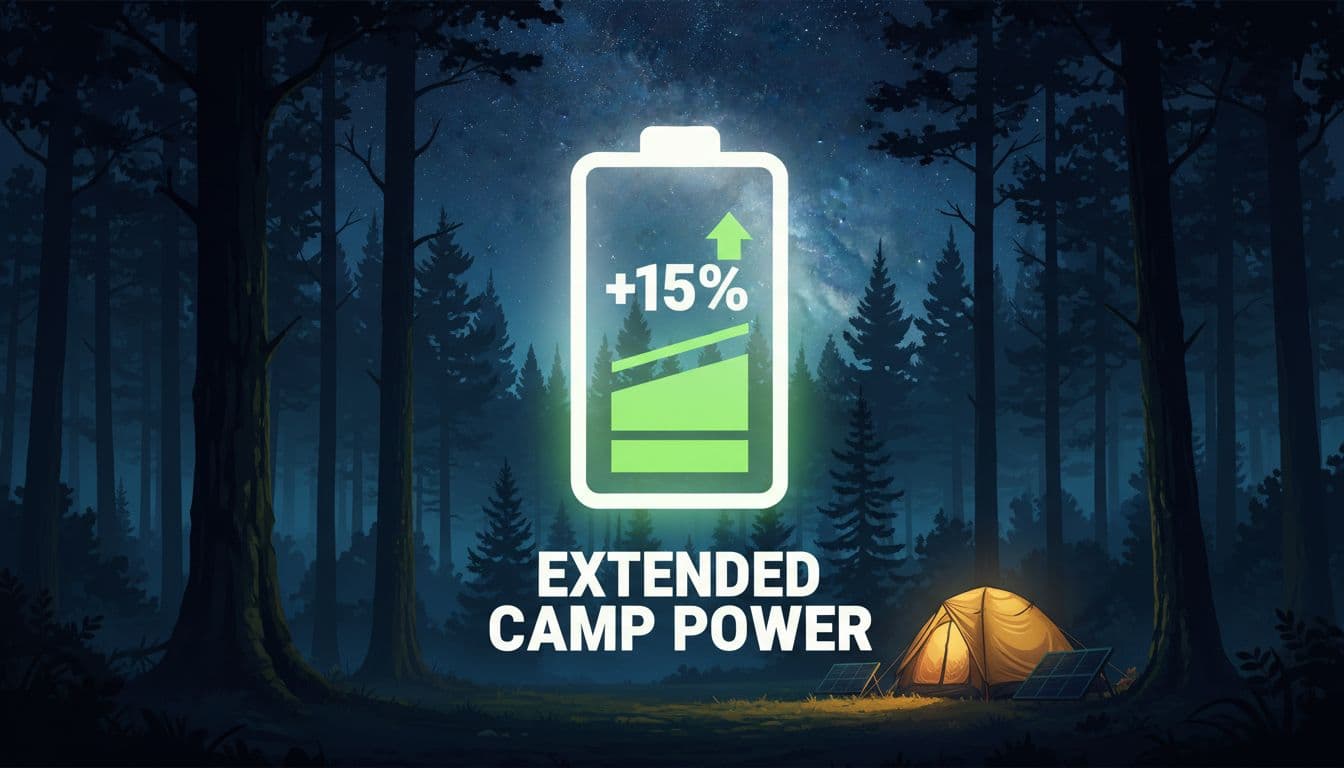
If your travel style involves escaping signal towers, such as mountain trekking, deep camping trips, or long stretches across rural areas, then battery life is just as important as signal strength. When a phone desperately searches for a faint signal, it burns its battery extremely fast, which is a real problem when you are miles from the nearest charger. Gohub addresses this with proprietary Power Link technology. This feature manages the efficiency of the connection handshakes your phone makes with distant cell towers.
The Power Link system is programmed to reduce the power drawn by the internal modem when signal quality dips below a certain threshold. The real payoff is the battery saving; Gohub supports a 15% reduction in battery drain specifically attributed to signal searching compared to standard roaming profiles. For someone camping for three days, that 15% can translate to several extra hours of usable battery life for maps or emergency contacts. This focus on hardware resource management makes it a smart choice for off-grid adventures.
Many travelers use a guide to managing eSIM data usage to stay connected longer, but hardware efficiency is what really saves the day in the woods. By making sure the connection doesn’t drain your phone power, Gohub provides a major differentiator for road trippers.
The AI Signal Doctor and Customer Support
Most travelers have experienced the frustration of landing in a new city, activating an eSIM, and getting nothing but an endless loading icon. In the past, this meant digging through online forums or waiting for an agent in a different time zone. By 2026, Gohub addresses this with the AI Signal Doctor, a dynamic, on-device troubleshooting tool built directly into the app dashboard.
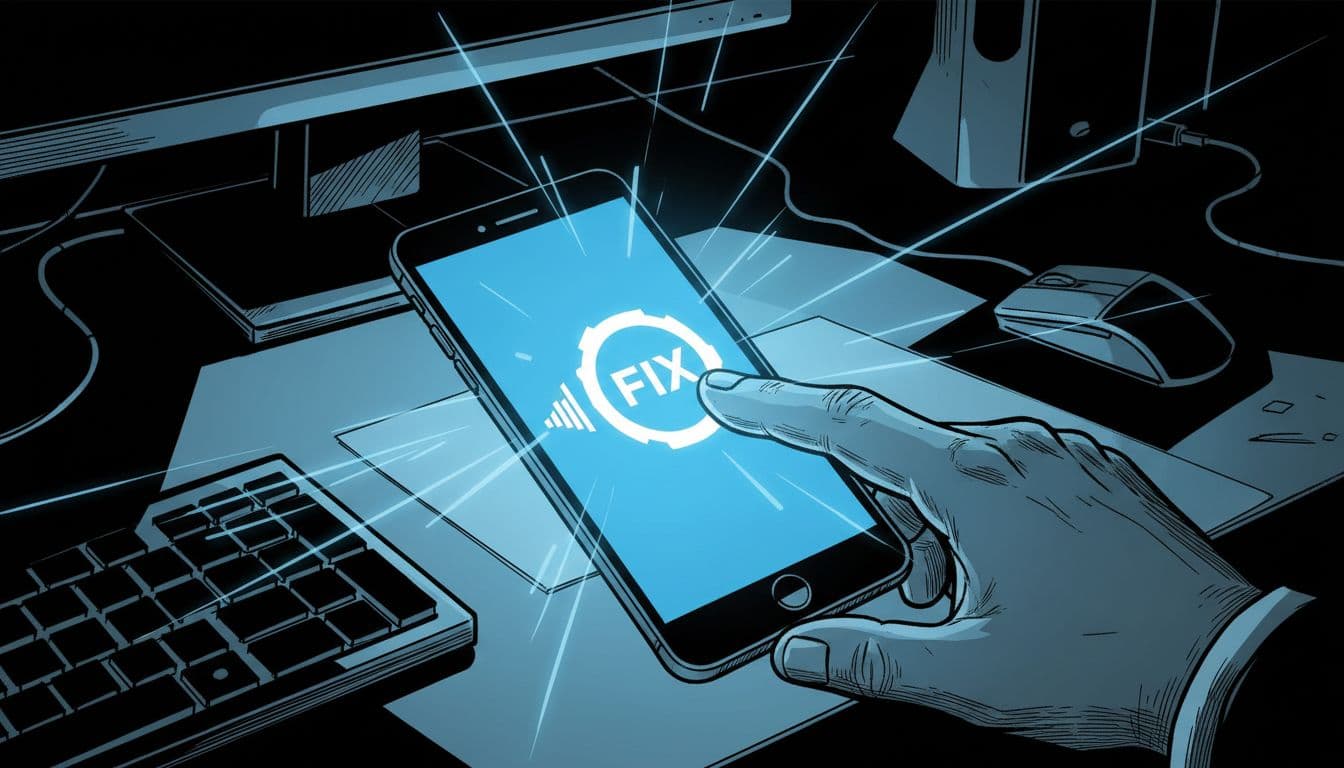
If the app detects a complete loss of connection or high latency, it offers a one-click fix button. Hitting this button initiates an automated diagnostic routine that:
- Performs a quick review of the device network settings.
- Checks the health of the local service provider’s tower.
- Executes a clean reset of the network bridge between the eSIM profile and the phone’s modem.
This system provides instant resolution for about 90% of common connectivity glitches. It is like having a network engineer inside your application ready to reset settings without you having to restart your phone. If you are making calls and texts with a data-only eSIM, having this immediate lifeline ensures your communication apps remain active. This ability to self-resolve issues is a huge time-saver when you are on a tight schedule.
Common Problems and How to Solve Them
Even with the jump to sophisticated tech in 2026, you’re bound to run into a few digital speed bumps when setting up your connection. Most travel connectivity issues stem from simple configuration errors or hardware restrictions rather than a total network failure. If you find yourself staring at a “No Service” bar in a crowded airport, don’t panic; it’s almost always a quick fix involving your device settings or carrier status.
Knowing how to troubleshoot these hiccups transforms a potentially stressful arrival into a smooth transition to your hotel. Whether it’s a verification code that never arrives or a battery that’s draining faster than usual, we’ve cataloged the most frequent headaches and the exact steps to clear them. This knowledge ensures you spend your time exploring the streets of Tokyo or Paris rather than sitting on a bench fighting with your cellular menu.

The Device Lock and Network Steering Trap
The most frequent complaint in 2026 remains the “SIM Not Supported” error, which usually happens because a phone is still locked to a home carrier. If you’re on a monthly payment plan for your device, there’s a good chance it isn’t “unlocked” for international use yet. You’ve got to call your provider (like Verizon or T-Mobile) before you depart to request a temporary or permanent unlock, or you’ll be stuck with a digital paperweight when you land.
Another common annoyance is the “Ghost Connection” where your phone shows full 5G bars but nothing actually loads. This occurs when a local carrier tries to steer your data toward a cheaper, congested tower to save themselves money. To fix this, you should manually disable “Automatic Network Selection” in your cellular settings and force the phone to pick a different local partner. It’s an easy way to fix eSIM activation errors and get your data flowing again.
- Check Unlock Status: Go to Settings > General > About and look for “Carrier Lock.” It should say “No SIM restrictions.”
- Manual Network Selection: If the internet is slow, manually toggle between the available carriers in your destination until you hit a fast 5G signal.
- Update APN Settings: Some budget providers require you to type a specific word like “internet” or “globaldata” into the APN box in your cellular data settings to enable the bridge.
Managing Battery Drain and Security Codes
Running two SIMs at once identifies as a major battery killer in 2026 because your phone’s modem is working twice as hard to maintain two separate connections. If your battery is dying by mid-afternoon, it’s often because 5G is aggressively searching for signals in ancient cities with thick stone walls. Switching your travel line to “LTE/4G only” temporarily can save you nearly 20% of your battery life, giving you enough juice to find your way back to your Airbnb.
The “Two-Factor Authentication (2FA) Trap” is another modern travel nightmare where you turn off your home SIM to avoid fees but then can’t log into your bank because the verification text never arrives. The smart play is to keep your Primary home line ON but strictly turn Data Roaming OFF for that specific line. This allows you to receive free incoming texts for security codes while all your expensive data usage runs through your local travel eSIM.
For those planning a longer stay, following a slow travel internet setup guide can help you avoid these early mistakes. If you’re traveling to countries like India or Turkey, be aware that local laws might require a face scan or passport upload within the app before the data activates. Skipping these identity steps is a surefire way to have your service cut off before you even leave the terminal.
How to Choose and Set Up Your 2026 eSIM
Selecting and installing your digital connectivity for a trip this year is far simpler than it was just a few years ago. Truly, the best eSIM apps in 2026 have worked hard to make the procurement and setup process a nearly invisible backdrop to your travels. You should be thinking about which museum to visit next, not wrestling with technical menus or hunting for validation codes. Fundamentally, choosing the right eSIM comes down to matching the provider’s network performance with your specific travel pattern; are you a document-heavy remote worker, or a casual tourist just needing maps and messaging?
The entire process hinges on two major steps: choosing the correct plan and executing the installation cleanly. We’re going to walk through what smart travelers prioritize in their selection criteria and show you the precise checks needed to deploy the eSIM profile successfully. A clean start means a better trip, so pay attention to these details. We’ve curated a quick checklist for the selection phase, as this is where most long-term user satisfaction is determined.
Determining If Your Phone Is Truly eSIM Ready
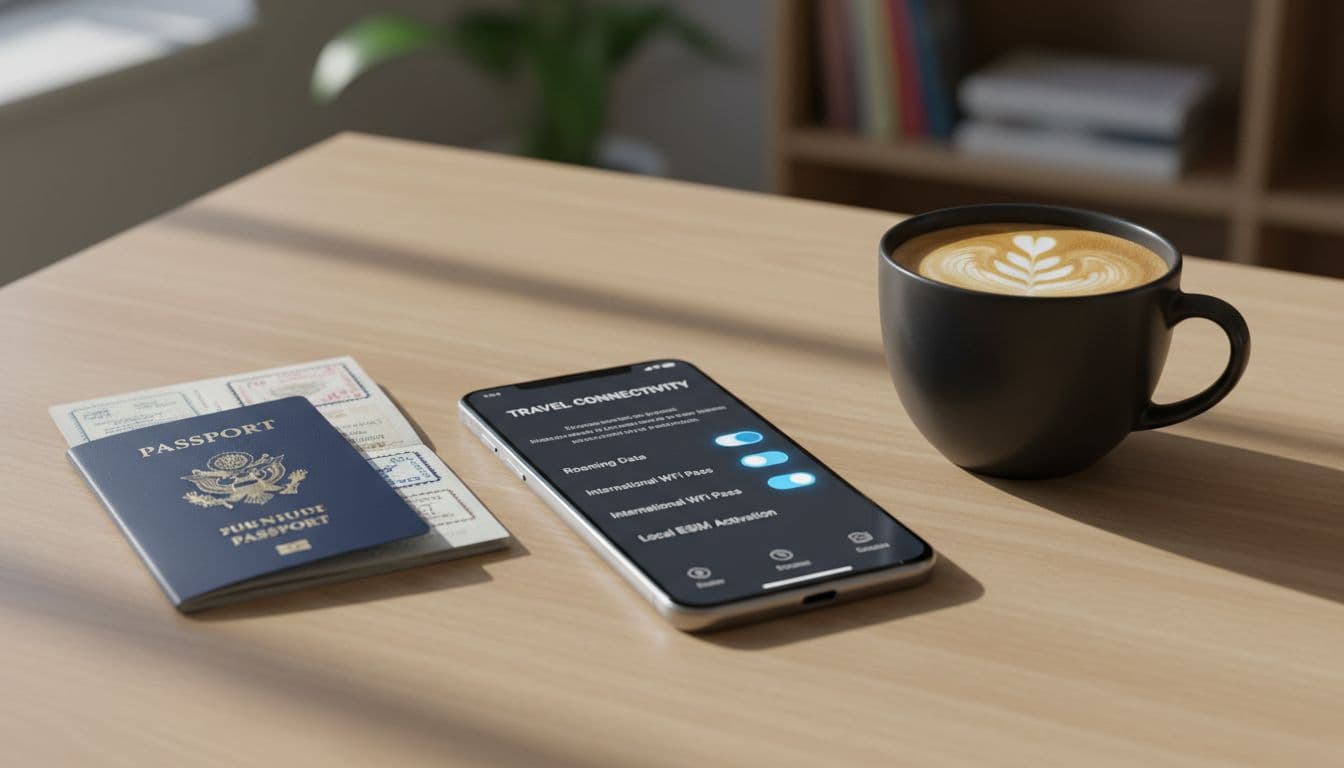
Before you even look at data prices, you must confirm your hardware is on board. Your phone must have an embedded Universal Integrated Circuit Card (eUICC) chip to support eSIM functionality. If you bought your phone in the last three or four years, especially an Apple or premium Samsung model, it likely supports it. However, there’s a major catch to watch out for, which is the carrier lock.
Many phones purchased on installment plans through a mobile provider, such as AT&T or Vodafone, remain hard-locked to that network until the device is fully paid off. If your phone is still locked, it won’t accept any third-party eSIM profile, no matter how reputable the provider is. You absolutely cannot install a travel eSIM successfully if this lock is in place.
Here are the quick checks you need to perform right now to verify your readiness:
- Apple iPhones: Go to settings, then tap on Cellular (or Mobile Data). If setting up an eSIM is supported, you will see an option like Add eSIM or Add Cellular Plan. If you see a Carrier Lock menu under General Settings, check that it says No SIM Restrictions.
- Samsung & Google Pixel: Look in your network settings, usually labeled Connections or Network and Internet, and search for a SIM Manager menu. If you can add a new plan digitally, you are likely good to go.
- Crucial Check: If in doubt, call your carrier and ask explicitly if your device is unlocked for international use. This saves you from serious arrival-day headaches. If you need official guidance, check out comprehensive eSIM installation and setup for different device types.
The Installation Sequence: When to Scan That QR Code
Timing the installation is nearly as important as the act of scanning itself. In my book, installing too early is almost as bad as installing too late. Installing early means the eSIM profile sits dormant on your phone, potentially causing minor background battery drain or confusing your operating system. Installing late means missing crucial pre-departure setup time. The standard protocol for 2026 recommends installing the profile after purchase, but only activating it once you are physically at your destination or close to it.
This leads us to Automatic Activation vs. Manual Toggling. Most high-quality apps use Geofencing technology; the eSIM profile remains dormant until your phone detects it is inside the designated country’s borders. This is extremely convenient because it prevents you from accidentally starting a 7-day plan while you are still sitting at your home airport waiting for your connection.
Follow this reliable sequence for deployment:
- Purchase the Plan: Execute the transaction through your chosen app.
- Download the Profile: Follow the app’s prompts to download the digital plan onto your phone’s memory. This is downloading the software itself.
- Leave Data Roaming OFF on your Primary line. This is non-negotiable to prevent surprise bills.
- Activate Upon Arrival: Once you land, you simply toggle Data Roaming ON for your Travel eSIM line.
If you’ve already purchased your eSIM but aren’t traveling for another week, you can save your QR code screenshot and refer to detailed instructions on how to switch between different eSIM plans to ensure you know where to find the profile when it’s time to go live.
Essential Post-Setup Checks for Immediate Connection
You have scanned the code, the screen confirms the profile is added, and you have toggled your travel data on. Now, you need to confirm you actually have good data where you are standing. This is the final validation step, and it should take less than 60 seconds. If you skip this, you risk walking away from the airport thinking you are connected when you are not, which is always a terrible way to start a trip.
The key metric here isn’t just seeing a signal bar; it’s testing the speed and routing. Look for the network indicator in the status bar, it should usually say 5G or LTE next to your travel line carrier name. If it shows No Service or perhaps only SOS Only, then the setup failed, or your phone is still stuck on a carrier lock.
To perform a complete functionality test, try performing these three quick actions if you are not near a Wi-Fi signal:
- Geographic Test: Open a maps application and zoom in and out several times. Do the maps load quickly and clearly? This tests basic data routing.
- Communication Test: Send a quick message via an internet-based app like WhatsApp. Did it send instantly?
- Speed Check: Run a quick online speed test or try loading a high-resolution image on a reliable news site. Lagging or failing to load means something is wrong with the carrier selection.
If those three things work perfectly, your setup is a success. You’ve got a rock-solid connection ready to go, and you can feel confident about moving on to the next phase of your trip planning. If not, it is time to check those carrier lock settings again or manually switch carriers within your phone’s settings.
Conclusion
The shift toward eSIM technology in 2026 marks the end of the physical SIM era, replacing plastic cards with a more intelligent, integrated travel experience. By moving beyond simple data delivery, apps now serve as comprehensive travel hubs where transparency and user autonomy are the standard. You no longer have to worry about hidden activation fees or confusing “zombie” charges, as the industry has embraced standardized unit pricing and real-time expiration countdowns that put you in total control of your spending.
Platforms like Gohub are leading this change by prioritizing reliability through features like the AI Signal Doctor, which settles connectivity issues in a single tap. This level of automation means you spend less time troubleshooting and more time enjoying your destination. Whether you are managing multiple profiles on an iPhone 16 eSIM or making calls with data-only eSIMs using VoIP apps, the technology is built to be invisible.
Digital-first connectivity is now the primary choice for the modern traveler, offering a level of convenience and speed that old roaming habits simply cannot match. As networks move toward 5G dominance and smarter AI switching, your smartphone becomes a more powerful tool for global exploration. If you are ready to stop hunting for paperclips and start traveling with ease, switching to a high-performance eSIM app is the most practical upgrade you can make for your next journey.