
The Evolving Future Of eSIM: Exploring iSIM, eSIM-Only Phones, and New Realities For Travelers
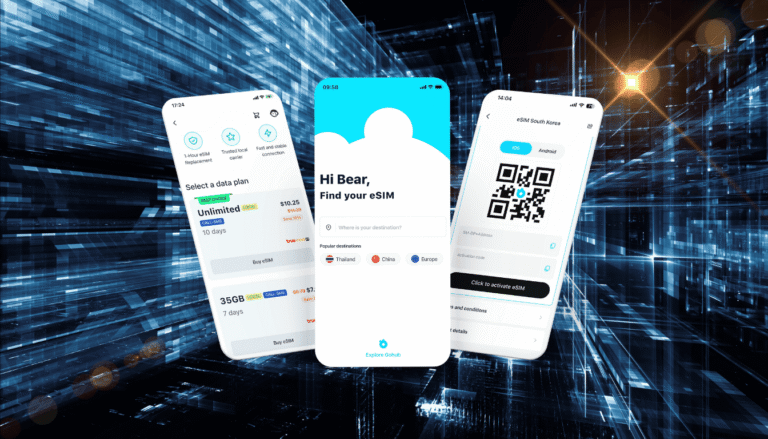
Remember the days of hunting for a paperclip in a cramped airplane seat just to swap a tiny plastic card? Those days are quickly disappearing as we transition from physical SIMs to the era of digital connectivity. An eSIM (embedded SIM) is a tiny, programmable chip soldered directly onto your phone motherboard, allowing you to download data plans instantly without needing a physical card.
The technology is now moving even further with the iSIM, which integrates the SIM functionality directly into the device’s main processor. This shift means more than just a more reliable connection; it creates space for bigger batteries, better waterproofing, and enhanced security for your data. For any frequent flyer, these hardware changes offer a massive leap in convenience and a way to finally ditch expensive roaming fees.
This guide explores how mobile connectivity has moved from physical cards to integrated circuits and what an eSIM-only future looks like for global explorers. We’ll break down the specific hardware shifts, the massive benefits for international roaming, and how you can prepare for a world without SIM trays. If you want to master your mobile setup, checking out general eSIM information and tips is the best place to start.
Why Travelers Should Care About the Future of eSIM Now
Mobile connectivity is moving faster than most people realize, shifting from a niche convenience to a non-negotiable requirement for modern exploration. If you are still relying on physical SIM cards, you are essentially carrying around a piece of vintage technology that hardware manufacturers are actively trying to phase out. Understanding this transition now ensures you aren’t left stranded without a signal the next time you cross a border or upgrade your device.
Connectivity Is Becoming a Core Travel Utility
Internet access is no longer a luxury for checking social media at the hotel; it has become a fundamental safety and logistics requirement. Modern travel relies on a complex ecosystem of digital tools that simply don’t work offline. From summoning a ride-share in a foreign city to accessing real-time public transit updates or digital boarding passes, being offline often means being effectively stuck.
Digital maps have replaced paper ones, but they require constant data to provide live traffic updates and precise walking directions in unfamiliar neighborhoods. Furthermore, many booking platforms and banking apps now use two-factor authentication, requiring an active data connection to verify your identity before you can pay for a meal or check into an accommodation. In this environment, a lack of connectivity isn’t just an inconvenience; it’s a significant logistical barrier that can compromise your personal safety and travel efficiency.
Hardware Changes That Affect How You Travel
The physical design of our devices is undergoing a radical transformation that will dictate how we access mobile networks. Manufacturers are aggressively removing the SIM tray to create more internal space for high-capacity batteries and improved thermal management. This isn’t a hypothetical change; many flagship devices sold in major markets already lack a physical slot, making them exclusively digital.
This shift forces a total change in behavior for the global traveler. The traditional ritual of landing at an airport, finding a currency exchange, and standing in line at a kiosk to buy a local plastic SIM is reaching its end. Instead, the “kiosk” is moving into your palm. You will manage your connections through digital apps, allowing you to browse, purchase, and activate plans before you even step off the plane.
To stay ahead of these changes, it’s a smart move to learn the step-by-step eSIM installation guide so you can confidently handle a digital-only setup. Transitioning away from physical cards now means you won’t be caught off guard when your next phone arrives without a SIM tray.
| Feature | Physical SIM Era | eSIM & iSIM Future |
|---|---|---|
| Procurement | Airport kiosks & local shops | Instant app downloads |
| Swapping | Tiny tools & plastic cards | Software toggles in settings |
| Security | Easy to steal or lose | Digitally encrypted & locked |
| Durability | Vulnerable to dust/water | Improved device sealing |
This new reality favors the prepared traveler. By embracing these hardware shifts today, you gain the ability to manage multiple international numbers simultaneously, switch providers in seconds, and maintain a constant link to the digital tools that make modern travel possible.
What Is iSIM and How It Simple Terms
The world of mobile connectivity is moving at a breakneck pace, and just as we are getting used to the idea of the eSIM, a new player called iSIM is entering the arena. Short for Integrated SIM, the iSIM is the logical evolution of cellular technology that makes everything we know about physical cards and even embedded chips seem a bit bulky.
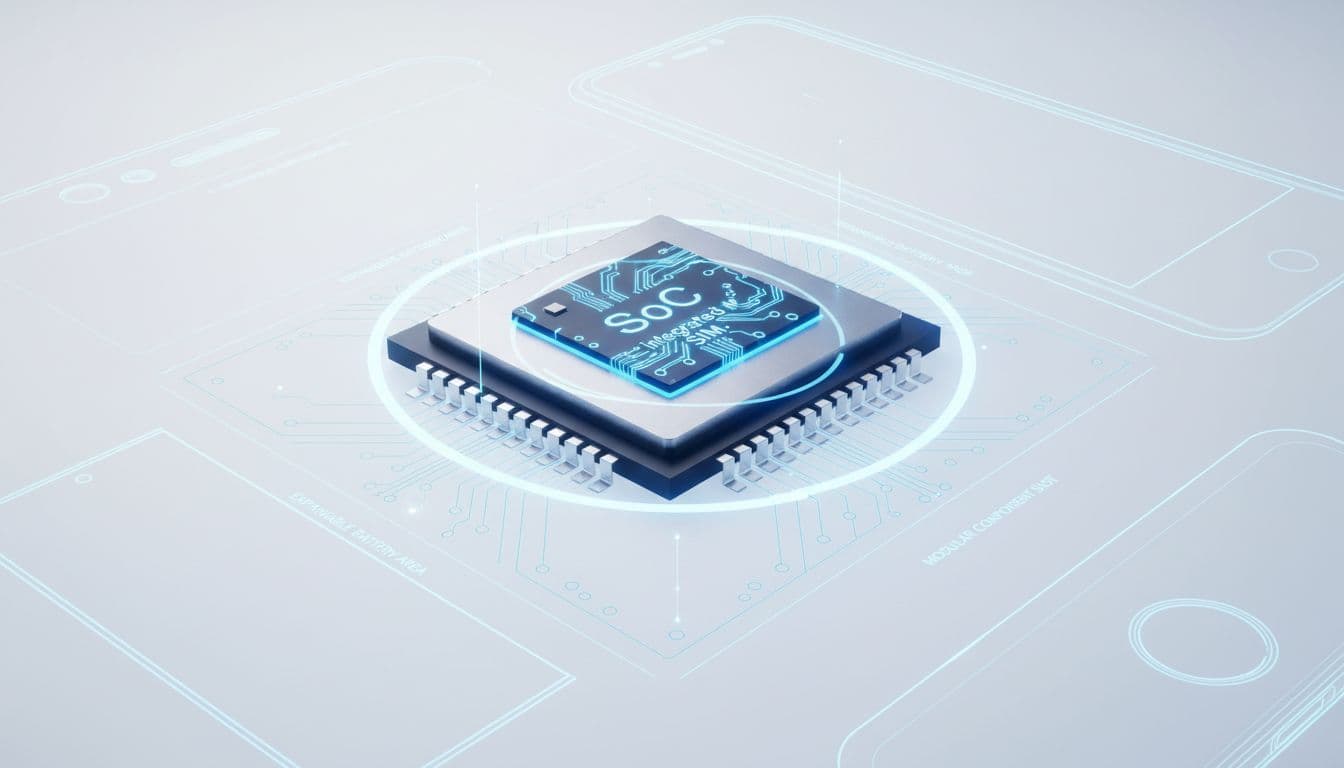
While an eSIM is a dedicated chip soldered onto your device’s motherboard, the iSIM removes the need for a separate chip entirely. It integrates the SIM functionality directly into the device’s main processor, which is often referred to as the System on a Chip (SoC). This effectively makes the SIM a part of the phone’s hardware “brain,” allowing for a more streamlined and efficient design.
How iSIM Is Integrated Into Phone Chipsets
Integrating the SIM into the phone processor is a major win for device architecture. Because the iSIM lives inside the main chipset, it occupies a microscopic amount of space compared to the traditional SIM tray or even the 6x5mm eSIM chip. This reclaimed internal real estate is a goldmine for engineers who are constantly fighting to squeeze more performance out of our handsets.
By moving connectivity into the SoC, manufacturers gain several hardware advantages:
- Enhanced Battery Capacity: Removing the physical SIM slot and the separate eSIM chip creates room for a significantly larger battery, extending the time you can stay online during long travel days.
- Superior Energy Efficiency: Since the SIM function is part of the main processor, it requires less power to operate, further boosting your overall battery life.
- Ultra-Compact Device Potential: This tech is a dream for smaller wearables like smart glasses and minimalist fitness trackers that are too tiny to house a standard SIM chip.
- Fortified Durability: Fewer openings in the phone frame mean better resistance to water and dust, which is a massive plus for any adventurous traveler.
When iSIM Will Matter for Real Travelers
We are currently in the early adoption phase where iSIM is mostly found in high-end flagship processors like the Snapdragon 8 Gen 2 and its successors. If you are someone who always buys the latest “Pro” or “Ultra” model, you might already have an iSIM-capable device in your pocket. However, for the average traveler, the mass market shift is still a few years away.
The real transition for the general public is expected to hit its stride by late 2026. This is the point where mid-range smartphones, the ones typically used by the majority of global travelers, will consistently feature integrated SIM technology. By this time, the industry expects over 300 million iSIM-enabled devices to be shipping annually.
Before upgrading your device for your next trip, it is wise to check an eSIM compatible device list to see where your current tech stands. While iSIM is the future, eSIM remains the current gold standard for global roaming. The good news is that both technologies work together perfectly, meaning you can eventually manage your iSIM through the same digital apps you use for eSIMs today. For now, early adopters can enjoy the hardware perks, but the true borderless, chip-free future for every traveler is just around the corner in 2026.
The Rise of eSIM-Only Phones and Global Travel
The era of the “all-digital” smartphone is no longer a distant concept; it is already here. With major manufacturers ditching the physical SIM tray in flagship models, we are witnessing a fundamental shift in how people access mobile networks. For the modern traveler, this isn’t just a minor hardware change; it is a total overhaul of the traditional travel ritual. This transition eliminates the clunky physical components that have long been a point of failure, replacing them with a more agile, software-based approach to global roaming.

Pre-Trip Connectivity Becomes Mandatory
The days of landing in a new country and wandering around the arrivals hall to “find a shop” for a local SIM card are quickly coming to an end. In an eSIM-only world, connectivity is something you handle during your layover or while you are still packing your bags at home. Because there is no physical card to wait for in the mail, you can get your travel eSIM in minutes through a simple app download or QR code scan.
This shift moves connectivity from a secondary “to-do” item to a mandatory pre-flight checklist requirement. Many modern travel essentials now depend on having data the moment your plane touches the tarmac:
- Digital Entry Requirements: Many countries now require QR codes from customs apps or digital health declarations that must be presented to immigration officers before you even reach the public terminal.
- Ride-Share Logistics: You cannot easily summon a car to pick you up if you are stuck searching for a kiosk; having an active plan ensures you can book a ride while you are still walking toward baggage claim.
- Two-Factor Authentication: Accessing your bank or travel apps often requires a verification code sent via data or SMS, which is impossible if your phone is offline in a foreign country.
Waiting until you arrive is becoming a risky strategy. By securing a digital plan before you depart, you essentially bypass the stress of local language barriers at kiosks and the inflated prices often found at airport tech shops. It is about arriving ready to explore rather than arriving with a logistical problem to solve.
Fewer Physical Failures While Traveling
One of the most underrated perks of moving to a digital-only setup is the sheer reliability of the hardware. Physical SIM cards are surprisingly fragile; they can get lost if you swap them on a moving train, they can get bent in your wallet, and the tiny gold contacts can eventually wear out or get damaged by dust and moisture. When you’re in the middle of a trip, a broken SIM card is a nightmare that often requires a visit to a physical store and a passport check to replace.
Digital SIMs remove these mechanical vulnerabilities entirely. Since there is nothing to touch or move, the risk of being suddenly stranded without a signal due to hardware failure is virtually zero.
Consider the practical benefits of a tray-less design:
- No Lost Components: You never have to worry about dropping that tiny plastic card into a seat gap or losing the metal ejector tool in your hotel room.
- Climate Protection: Phones without SIM trays are easier to seal, meaning your device has better protection against the humidity of a tropical rainforest or a dusty desert trek.
- Permanent Access: Your digital profile is stored securely within the hardware. Even if you accidentally delete a profile, most providers allow you to redownload it instantly using your email confirmation.
This level of durability is a massive win for anyone with a sense of adventure. It provides a “set it and forget it” experience where your connection is as robust as the phone itself. By removing the physical middleman, your phone becomes a more resilient tool for navigating the world, ensuring that your only focus is the journey ahead, not the maintenance of a tiny piece of plastic.
Security and Privacy in the Digital SIM Era
As we transition into an era where physical cards are replaced by lines of code, the boundary of device security shifts. Your smartphone is no longer just a communication tool; it is a digital vault containing your identity, banking access, and travel documents. While the move to eSIM and iSIM removes the risk of someone physically stealing a plastic chip from your phone, it introduces a new frontier of virtual vulnerabilities. Protecting your connection is now a matter of securing the digital accounts and provisioning processes that manage these profiles.

New Risks Around Accounts and Provisioning
In this digital-first reality, your security is only as robust as the password on your email or carrier account. Since eSIMs are downloaded and managed through apps or web portals, a compromised account allows a hacker to “port” your number to their own device without ever touching your phone. This is a massive shift from the old days when a thief needed physical access to your SIM tray to hijack your service.
To stay protected, you must treat your carrier credentials with the same level of care as your primary banking login. If a bad actor gains access to your mobile account, they can receive your two-factor authentication (2FA) codes, effectively giving them the keys to your entire digital life.
Critical security steps for the modern traveler:
- Enable App-Based Multi-Factor Authentication: Move away from SMS-based codes for sensitive logins. Use an authenticator app like Google Authenticator or hardware keys like Yubico. If your SIM is hijacked, an app-based code remains safe on your physical device.
- Set a SIM PIN: Even though it’s digital, you can still set a SIM PIN in your phone settings. This prevents the eSIM from being used or moved if the device is restarted after a theft.
- Lock Your Carrier Account: Contact your home provider and request a “Port-Out PIN” or account freeze. This adds an extra layer of verification before your number can be transferred to a new device or eSIM profile.
- Hide Lock Screen Previews: Change your notification settings so that message content is hidden until the phone is unlocked. This stops anyone from seeing 2FA codes that pop up while your phone is sitting on a cafe table.
Managing your security is just as important as the speed of eSIM setup when you are on the move. By securing the provisioning process, you ensure that your digital connection remains a tool for freedom rather than a gateway for intruders. Remember, in a world where your SIM is software, your password is the only thing standing between you and a total identity takeover. Stick to reputable providers and keep your software updated to benefit from the latest encryption standards.
Effective Strategies for an eSIM-Only Future
The shift toward a world without physical SIM trays isn’t just a hardware change; it’s a total lifestyle shift for anyone who loves to cross borders. When your phone lacks that familiar little slot, you can’t just wing it by buying a random piece of plastic at a train station. You have to be intentional. This means mastering the digital tools at your disposal to ensure you, and those traveling with you, never lose that vital connection to maps, translations, and home.

Managing Multiple Profiles and Family Travel
Handling a family of four in a digital-only world is actually much easier than keeping track of four tiny, easy-to-lose plastic cards. Most modern smartphones allow you to store eight or more eSIM profiles at once, though usually only two can be active. For a family, the best strategy is to designate one or two “data hubs” (typically the parents’ phones) and use them to manage the group’s connectivity.
If you are traveling with children who don’t have their own high-data plans, hotspotting is your best friend. Instead of buying four expensive prepaid global eSIM for international trips, you can get a single high-capacity plan for one device and share the connection. This “hub and spoke” model keeps costs down and simplifies management. Just be sure to check that your eSIM provider allows tethering, as some unlimited plans might restrict it.
Tips for smooth family data sharing:
- Check Hotspot Compatibility: Verify with your provider that “Personal Hotspot” or “Tethering” is supported on your specific eSIM plan.
- Set Data Limits: Use your phone’s built-in settings to set a “Data Warning” or “Data Limit” so the kids don’t accidentally stream 4K video and burn through your 10GB plan in an hour.
- Carry a Power Bank: Running a hotspot is a massive drain on battery life; a 10,000mAh battery pack is a non-negotiable travel accessory for this strategy.
- Label Your Profiles: Name each eSIM in your settings (e.g., “Dad-Japan” or “Shared-Family”) to avoid confusion when toggling lines on and off.
Backup Strategies When Your Only Device Fails
The biggest fear in an eSIM-only world is simple: what if the phone breaks? If your screen shatters or the device won’t boot, you can’t just pop the SIM out and put it in a cheap burner phone. This is why having a digital “emergency kit” is absolutely vital for the modern explorer. You need to treat your activation codes like digital gold, ensuring they are accessible even when your primary device is a paperweight.
The first rule of digital travel is to never keep your activation QR codes only on the device you are activating. If that phone dies, so does your access to the code. Instead, store a screenshot or PDF of your eSIM QR code in a secure cloud service like Google Drive, iCloud, or Dropbox. Make sure these folders are available for “offline access” on a secondary device, such as a tablet or a laptop.
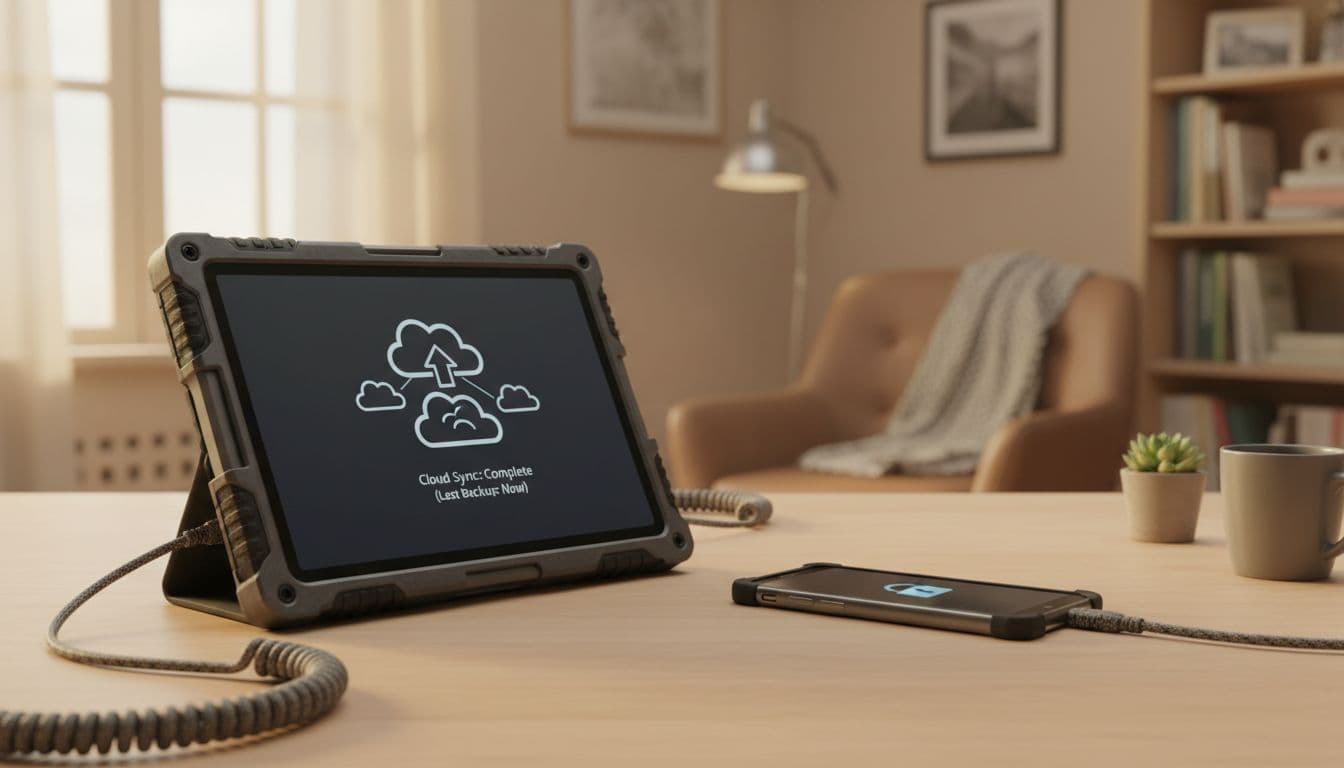
Having a secondary device with iSIM or eSIM capabilities provides an incredible safety net. If your phone fails, you can simply download your profile onto your tablet or a travel laptop and stay online. If you end up in a worst-case scenario where a profile won’t activate, knowing the troubleshooting steps for eSIM failure can save you from a total communication blackout. Keeping a printed copy of your most important QR codes tucked into your passport cover might feel “old school,” but it’s the ultimate foolproof backup when tech lets you down.
Conclusion
The physical SIM card is officially an endangered species, as hardware manufacturers move toward a future defined by total digital integration. Between the widespread adoption of eSIM and the arrival of iSIM technology, the era of fumbling with plastic chips and metal ejector tools is ending. Travelers should embrace this shift now by choosing devices that support these standards and mastering the advantages of eSIMs for international trips to avoid the stress of local kiosks.
This transition represents more than just a hardware upgrade; it’s a fundamental improvement in how we experience the world. By removing the physical SIM tray, devices become more durable and offer better battery life, while travelers gain the freedom to manage multiple global networks through simple software toggles. As connectivity becomes an invisible, integrated part of your device’s processor, global exploration becomes simpler, safer, and more spontaneous. Turning your focus from technical logistics to the journey itself is the ultimate payoff of a digital-only mobile setup.