eSIM Benefits for Travelers: Convenience, Flexibility, and Less Roaming Stress
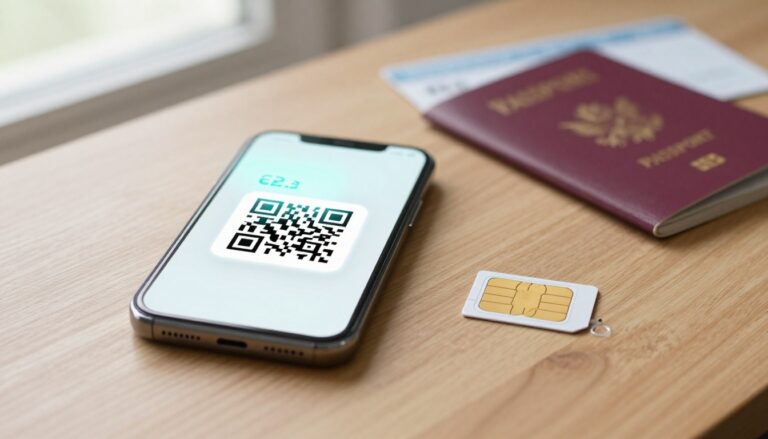
Traveling used to involve a frantic search for paperclips and airport kiosks just to get a local signal, but that era is officially over. Today, the travel eSIM serves as a digital-first solution, allowing you to download a mobile data plan directly to your device hardware without ever touching a piece of plastic. It’s essentially a virtual bridge to local networks that lets you stay connected the moment your plane touches the tarmac.
This guide explores how this technology eliminates the headache of sky-high roaming fees while providing the ultimate freedom to move between borders. We’ll break down the specific benefits like instant activation, which lets you skip the lines, and regional plans that cover entire continents with a single purchase. You’ll also learn about dual-SIM capability, a feature that keeps your home number active for important texts while you use affordable local data for everything else.
By the end of this article, you’ll understand why millions are ditching traditional cards for a more flexible international eSIM plan. We are covering the technical essentials of compatibility, the peace of mind that comes with digital security, and practical tips for picking a provider that fits your specific itinerary. Whether you’re heading to one city or ten, the transition to digital connectivity is the smartest move you can make for your next adventure.
Why Travelers Are Switching to eSIMs Instead of Physical SIM Cards
The days of hunting for a paperclip to poke a tiny hole in your phone are quickly fading into memory. Modern travel has evolved, and the shift toward digital-first connectivity is driven by more than just a love for new gadgets. For most of us, the primary reason for switching to an eSIM is the sheer relief of removing a physical chore from our vacation to-do list.
Instead of navigating the complex logistics of localized shopping upon arrival, travelers are opting for a solution that exists entirely within their device’s software. This transition reflects a broader trend where we value time and mental energy just as much as we value a good signal. When you can handle your entire connectivity setup from your couch or during a layover, the old way of doing things starts to look incredibly outdated.
What Changed in Phones and Networks
The technical landscape has shifted fundamentally because manufacturers like Apple, Samsung, and Google have moved toward a future where internal space is at a premium. By building the SIM technology directly into the motherboard of the device, manufacturers can use that extra room for larger batteries or better camera sensors. This hardware integration means your phone is already “international-ready” the moment it leaves the factory.
Network operators have also pivoted their infrastructure to prioritize digital provisioning. Instead of printing millions of plastic cards and shipping them to retail stores, carriers now use remote servers to send encrypted profiles directly to your device. This digital-first approach allows for much faster network handshakes and more secure authentication. By 2026, many flagship devices may skip the physical SIM tray entirely, making the expected eSIM setup duration an essential part of every traveler’s knowledge base.
Why Convenience Now Matters More Than Price
There was a time when the “savviest” travelers would spend their first hour in a new country hunting for a local telco shop to save five dollars. However, the modern traveler realizes that an hour of vacation time is worth much more than the small price difference between a kiosk SIM and a digital plan. Convenience is now the ultimate luxury, and the ability to avoid the “airport hunt” is a massive win for your sanity.
Consider the typical experience of landing in a new city:
- Traditional SIM: You wait in a long line at a bright neon kiosk, hand over your passport for a photocopy, wait for the clerk to register your data, and then struggle to keep your tiny home SIM safe in your wallet without losing it.
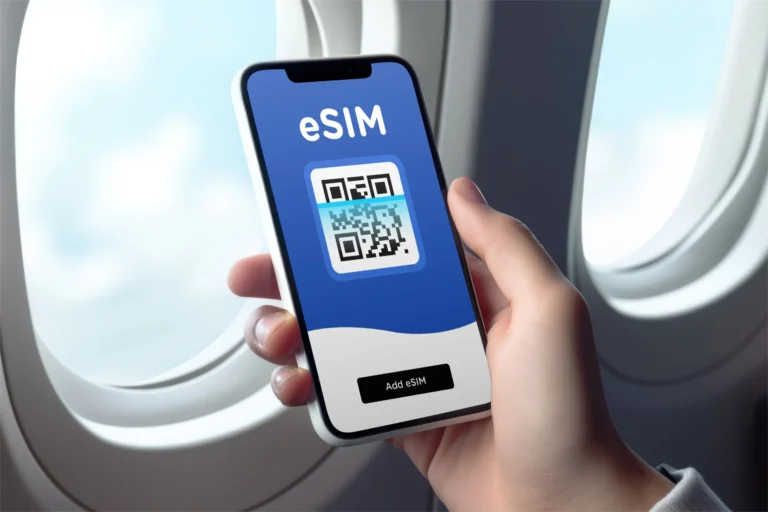
- eSIM: You scan a QR code while waiting for your luggage, and by the time you hit the exit, your phone is already surfing a local 5G network.
The mental load of managing a physical chip is simply no longer worth it. With a digital plan, there’s no risk of dropping a tiny plastic card into a storm drain or damaging your SIM tray. To me, the peace of mind that comes from knowing your connection is “untouchable” is a complete no-brainer. If you ever run into a hiccup during the process, it’s usually easy to fix eSIM activation errors without needing to talk to a person behind a counter. Buying anywhere, anytime, is the new gold standard for global exploration.
Convenience Benefits That Matter on Real Trips
The shift to digital connectivity is not just about staying technical; it is about reclaiming the first hour of your vacation. When you travel, every minute counts, and the traditional methods of securing data often consume the very time you intended to spend exploring. By removing the physical requirements of a mobile connection, you eliminate the friction that has plagued international travel for decades. The result is a travel experience that feels fluid rather than fragmented.
Choosing a digital plan allows you to prioritize your mental energy for the experiences that matter, such as finding the perfect local bistro or navigating a new transit system. You no longer need to worry about the logistics of physical inventory or retail hours in a foreign city. This level of autonomy is exactly why travelers are increasingly comparing eSIM and pocket wifi for travel to find the leanest, most efficient setup for their specific needs.
No Airport Kiosks or SIM Swaps
Landing in a foreign terminal after a long flight is usually a test of patience. In the old days, your first mission was to find a brightly lit kiosk, join a queue of equally tired travelers, and hand over your passport for a security photocopy. It’s a tedious process that anchors you to the airport exactly when you want to leave. Then comes the nerve-wracking “SIM swap” where you fumble with a paperclip or a tiny metal tool to eject your tray, praying you don’t drop your home SIM card into a floor vent.
Digital plans effectively delete these hardware hurdles from your itinerary. Because the technology is built into your phone, there is no physical chip to lose and no tray to break. You manage everything through your settings, which means your original SIM stays safely tucked inside your device, untouched and protected. This is the ultimate peace of mind for anyone who has ever worried about losing their primary phone number while switching to a local network.
Instant Connectivity on Arrival
The “Gate-to-Gate” experience is the new gold standard for the modern explorer. Instead of waiting until you reach your hotel to jump on spotty Wi-Fi, your data starts working the moment the wheels touch the tarmac. This immediate access is critical in 2026, where airport logistics have become increasingly digital and complex. From calling a ride-share to checking the real-time location of your baggage, having an active signal the second you land is a massive advantage.
- Immediate Ride-Sharing: You can book an Uber or Lyft while still taxiing to the gate, avoiding the long wait times and traffic congestion common at major hubs.
- Navigation and Maps: Loading your hotel’s location and the local train route instantly prevents that 15-minute period of “digital confusion” often felt in a new terminal.
- App-Based Transit: Since most cities now require specific apps for airport trains or shuttles, you can download and set them up before you even step off the plane.
This instant-on capability ensures you stay ahead of the crowd. While other passengers are still searching for the airport Wi-Fi login page or standing in line for a physical card, you are already through the exit and on your way to your destination. If you ever find yourself heading north, checking out an affordable Canada travel eSIM guide can help you secure this exact experience before you even take off.
Flexibility That Fits Modern Travel Styles
Modern travel is no longer about static itineraries or staying in one place for weeks at a time. We are living in an era of spontaneous weekend hops across borders and digital nomadism where your office is wherever the Wi-Fi is strong. Because our movement has become more fluid, our connectivity needs to follow suit. The rigid nature of physical SIM cards, which tie you to a single carrier and a single country, simply doesn’t align with how we explore the world today.
The real beauty of switching to digital data is how it bends to meet your specific trip requirements. Whether you are trekking through the Balkans or hopping between metropolitan hubs in Southeast Asia, the technology provides a level of agility that was previously impossible. It turns your smartphone into a global tool that adapts to your location, rather than a device that requires a hardware surgery Every time you cross a state line or national border.
Switching Countries Without Changing SIMs
One of the most powerful features for the modern globetrotter is the availability of regional bundles. Instead of buying a new SIM card for every single stop on a multi-country tour, you can grab a single digital profile that covers 30 or more countries. For instance, if you’re on a grand tour of the continent, a best eSIM for Asia multi-country trips allows you to move from the neon streets of Tokyo to the night markets of Bangkok without ever opening your settings menu.
These regional plans function through a series of pre-negotiated roaming agreements that happen behind the scenes. When your bus or train crosses a border, your phone communicates with local towers and identifies the partner network. The handover is usually automatic; as soon as you find a signal in the new country, your data starts flowing again. This eliminates the frantic search for a local shop or the “dead zone” of connectivity that traditionally occurs during transit.
Consider these common regional plan features:
- Broad Coverage: A single Europe plan typically covers the entire EU plus the UK and Switzerland.
- Unified Data Pool: You use one bucket of data across all included countries, so nothing goes to waste.
- Zero Configuration: You don’t need to change APN settings or restart your device at every border crossing.
Keeping Your Home SIM Active at the Same Time
The “all-or-nothing” approach to mobile service is officially a thing of the past thanks to dual-SIM technology. Most modern smartphones allow you to run a physical SIM and an eSIM simultaneously, or even two eSIMs at once. This is a massive win for security and convenience because it means you never have to “turn off” your life back home just to get affordable data abroad.
By keeping your home line active in the background, you stay reachable for the things that actually matter. You can still receive those critical bank authorization codes (OTP) via SMS, which are often required for logging into accounts or making purchases while traveling. You can see who is calling or texting you without actually answering and racking up fees. Meanwhile, you set your travel eSIM as the primary source for all “cellular data,” ensuring that every Instagram post, Google Maps search, and WhatsApp call uses your cheap travel plan instead of your expensive home provider.
This setup provides a safety net that travelers previously lacked. If you’ve ever been locked out of your banking app because you couldn’t receive a verification text, you know exactly how stressful that can be in a foreign country. With a dual-setup, you keep your digital identity intact while enjoying the seamless regional eSIM for Asia-Pacific or Europe that you’ve installed. It’s the ultimate way to stay connected to your world without being anchored by its costs.
Less Roaming Stress While Traveling Abroad
Getting a massive phone bill after a vacation is a total mood killer. We have all been there; you come home feeling refreshed, only to open an email from your provider showing hundreds of dollars in “international data usage” fees. It feels like a punishment for simply wanting to share your photos or find your way back to the hotel. Switching to an eSIM completely changes this dynamic because it hands the control back to you. You decide exactly how much you spend before you even leave your house, which removes that constant, nagging worry about background data sucking your bank account dry while you sleep.
Avoiding Bill Shock and Surprise Fees
Prepaid eSIMs are the ultimate weapon against the dreaded bill shock because they operate on a simple “what you see is what you get” model. When you buy a digital plan, you’re paying for a specific amount of data, like 5GB or 10GB, for a set number of days. There’s no fine print that allows a company to charge you $10 per megabyte if you go over. In fact, most travel eSIMs just stop working or slow down once you hit your limit, which is exactly the kind of safety net you want.
If you happen to run out of data while you’re out exploring, you just hop on a local Wi-Fi connection and add more for a few dollars. It’s a transparent process that keeps you in the driver’s seat. Compare this to traditional “international day passes” from big carriers that often cost $10 to $15 per day just for the privilege of using your own plan abroad. If you’re on a two-week trip, that’s $150 to $210 extra on your bill. With an eSIM, you can often get the same amount of data for a flat $20 or $30 total. It’s a total no-brainer for anyone who hates hidden fees.
Peace of Mind for Navigation and Emergencies
There is a specific kind of anxiety that hits when you land in a place like Tokyo or Rome and realize your maps aren’t loading. Being “digitally blind” in a foreign city is stressful; it turns a fun adventure into a survival exercise. Having a reliable connection through an eSIM means you have instant access to tools that make travel feel safe and manageable. You can pull up Google Maps to find the right train platform, use Google Translate to read a menu, or call an Uber when you’re too tired to walk another block.
Reliable communication is also a huge safety factor. Being able to shoot a WhatsApp message to your family to let them know you arrived, or looking up the nearest pharmacy when you have a headache, provides an incredible amount of mental relief. You’re never truly stranded as long as you have a signal. To me, the small cost of a travel plan is worth it just for the confidence it gives you to wander off the beaten path without getting lost. If you want to make sure your device is ready for this, it is a good idea to check if your phone is eSIM compatible before you start your journey. Having that connection ready the moment you land is the best gift you can give your future, traveling self.
Cost Control and Transparency for Travelers
Setting a travel budget is hard enough without worrying about a surprise $500 phone bill waiting for you at home. The old roaming model was built on a lack of transparency, where you would cross a border and hope for the best, only to find out later that your carrier charged you by the megabyte. Switching to a digital plan replaces that guesswork with total visibility. You are buying a specific product with a defined price tag, which makes it much easier to manage your vacation finances.
This shift toward digital data means you are no longer a passive user waiting for a bill; you are an active manager of your connectivity. Because these plans are prepaid, your financial risk is capped at the exact amount you paid upfront. If you want to dive deeper into how these numbers stack up against other options, checking an eSIM vs local SIM cost comparison can help you see the long term value of staying digital.
Clear Data Allowances and Validity
The beauty of a modern travel plan lies in its simplicity. Most plans are structured as straightforward “data buckets” paired with a specific lifespan. For example, you might grab a 5GB plan that lasts for 15 days or a 10GB plan for a month. This structure is extremely helpful because it allows you to match your data purchase to your actual travel habits. If you are just using maps and messaging, 5GB goes a long way; if you are uploading high-definition video, you know you’ll need a larger tier.
Tracking your usage is just as easy as buying the plan. Most providers offer a dedicated app or a web dashboard where you can see a live countdown of your remaining megabytes. Instead of guessing how much background data your apps are chewing through, you can check your status with a quick tap. Many services even send you a “ping” or a push notification when you hit 80% or 90% of your limit, giving you plenty of time to top up before you are left stranded without a signal.
No Hidden Activation or Expiry Traps
If you’ve ever bought a physical SIM card at an international kiosk, you know the “hidden trap” feeling well. Sometimes you need to provide a local ID or a passport copy, and other times there are complex activation codes you have to text to a random number just to turn the data on. If you miss a step, your card might expire in 24 hours without you ever getting a kilobyte of data. It is a frustrating, manual process that feels designed to catch travelers off guard.
Digital plans solve this by moving the entire activation process into the software. There are no paper forms or physical chips that might be “duds.” Since the profile is downloaded directly to your phone’s hardware, the activation is typically handled via a simple toggle in your settings or a QR code scan. You don’t have to worry about a “hidden clock” starting before you are ready, as most plans only begin their validity period when you actually connect to a supported network in your destination. This transparency is a massive upgrade over the data roaming costs in Egypt or other regions where local regulations can make physical cards a headache for tourists.
eSIM Benefits for Different Types of Travelers
Digital connectivity is no longer a one-size-fits-all solution because the way we move across the globe has become incredibly diverse. A solo backpacker navigating the hostels of South America has vastly different data requirements than a corporate executive managing a remote team from a beachfront villa in Bali. The beauty of the eSIM lies in its ability to adapt to these specific personas, providing tailored features that address the unique pain points of every travel style.
By moving away from the rigid constraints of physical hardware, you gain the ability to customize your connection based on the length of your stay, the intensity of your data usage, and the number of devices you need to keep online. This flexibility ensures that you are never paying for more than you need, while also providing the high-level performance required for modern life.
Digital Nomads and Remote Workers
For those who carry their office in a backpack, a reliable internet connection is the lifeline of their professional existence. Digital nomads and remote workers require more than just the ability to send a casual text; they need sustained, high-speed access for video conferencing, large file transfers, and secure server connections. The latest technical shifts in 2026 have made this easier than ever, with almost all premium travel plans now including 5G access at no additional cost, ensuring that “working from anywhere” actually feels like working from an office.
Managing a long-term stay in a new country often requires a delicate balance between local accessibility and maintaining a permanent professional identity. eSIM technology allows you to store and manage multiple profiles on a single device, which is a massive win for someone spending three months in Portugal before heading to Japan. You can keep your primary work line active for client calls while simultaneously running a heavy-duty local data plan for your daily Zoom meetings.
Reliability is the core benefit here, especially with the introduction of automatic network hopping. If the signal from one carrier drops while you are in the middle of a critical presentation, the dual-profile capability and Multi-IMSI technology allow your phone to switch to the strongest available local tower without you having to lift a finger. This level of understanding eSIM connectivity gives you the confidence to book that remote cabin or seaside cafe without fear of a mid-day blackout.
Families and Group Travel
Anyone who has ever traveled with kids or a large group knows that the “logistics of connectivity” can quickly turn into a chaotic nightmare. In the past, this usually meant standing in a crowded airport line while trying to keep track of multiple passports just to buy five separate physical SIM cards. Then comes the stressful task of installing each one and making sure no one loses their original home chip.
With an eSIM, the entire process is centralized and simplified within a single app. A family “tech lead” can purchase and manage multiple data plans for every family member from their own device, pushing the installation to each phone via a simple link or QR code. This removes the hardware hurdle entirely; there are no tiny plastic chips to fumble with and no risk of a child losing their primary SIM card during a long-haul flight.
- Centralized Data Management: Parents can monitor the data usage of every family member from one dashboard, ensuring the kids don’t burn through the entire monthly allowance on YouTube during the first day of the trip.
- Instant Group Syncing: If the group decides to split up for the afternoon, everyone stays connected immediately, making it easy to coordinate a meeting spot via WhatsApp or find a lost family member using real-time location sharing.
- Flexible Budgeting: You can assign a larger 20GB plan to the teenager who lives on social media while keeping a smaller, more affordable plan for the younger children who only need basic messaging.
This streamlined approach turns what used to be an hour-long chore into a two-minute digital task. By using a guide to managing multiple eSIM profiles, families can arrive at their destination and walk straight to the taxi stand, fully connected and ready to explore without the usual “connectivity meltdown.”
Security and Practical Travel Advantages
While the speed of getting online is a major draw, the real win with eSIM technology lies in the massive security upgrade and practical logic it brings to your journey. We often focus on the convenience of skipping lines, but the architectural shift from a removable plastic card to an embedded digital chip fundamentally changes how you protect your identity and your hardware. Think of a physical SIM like an external padlock that a thief can easily snip off; an eSIM is more like a high-tech internal vault. This section explores why going digital is the smartest move for your data integrity and device safety.
Lower Risk Than Public Wi-Fi
Connecting to “Free Airport Wi-Fi” or an open café network is one of the riskiest moves a traveler can make. These networks are often unencrypted and act as a playground for bad actors who use simple tools to intercept your data. When you log into your banking app or enter credit card details on public Wi-Fi, you are essentially broadcastings your private information into a crowded room.
Using an eSIM allows you to bypass these dangerous public hotspots entirely. Your cellular data is sent over an actively authenticated, encrypted connection directly to the carrier’s network. This encryption acts as a robust shield, ensuring your financial transactions and private emails stay private. When you have access to affordable, secure cellular data, relying on a questionable public hotspot is an unnecessary risk. Always prioritize the secure, encrypted tunnel of your mobile network over the “convenience” of an open Wi-fi network for any sensitive task.
Easier Device Management if Lost or Stolen
If your phone is stolen while you are navigating a foreign city, the thief’s first instinct is to eject the physical SIM card to go “dark.” By removing the card, they instantly disconnect the phone from the network, making it nearly impossible for you to track the device using “Find My iPhone” or Google’s “Find My Device.” This hardware vulnerability is a major weakness of traditional cards.
The eSIM architecture eliminates this flaw because it is embedded directly into your phone’s logic board and cannot be physically removed. Even if a thief steals your device, the eSIM remains active, keeping the phone connected to cellular towers and GPS services much longer. This persistent connection is your best chance for recovery, as it allows you to:
- Track the real-time location of the device through digital tracking services.
- Remotely wipe your data, ensuring your personal photos and bank apps are erased before a thief can break your passcode.
- Lock the device permanently, making it worthless for resale and ensuring your home number isn’t hijacked for scamming others.
Convenience Benefits That Matter on Real Trips
The shift to digital connectivity simplifies the operational logistics of your trip in ways a physical card never could. Beyond the setup, the daily management of how you stay connected across different regions determines how much of your mental energy is spent on phone settings versus sights and sounds. The flexibility of an eSIM allows your phone to adapt to your movements rather than forcing you to adapt your schedule to local retail hours.
Switching Countries Without Changing SIMs
Multi-country itineraries, like a rail trip across Europe or a tour through Southeast Asia, used to be a connectivity nightmare. You would need to purchase a new local SIM in every territory, leading to a graveyard of plastic chips in your wallet and hours wasted at kiosks. Regional eSIM plans solve this by offering a single digital profile that covers dozens of countries at once.
As you cross a border, the eSIM profile automatically handshakes with the new local partner network. There is no need to reboot your phone or swap hardware; the transition is often so smooth you only notice the network name change in your status bar. This continuous connectivity is essential for the modern traveler who needs to check train schedules or message their next host the moment they cross the frontier. If you are a heavy data user planning a long trip, estimating travel data usage beforehand ensures you pick a regional plan with a high enough cap to last the whole journey.
Keeping Your Home SIM Active at the Same Time
One of the most powerful advantages of modern smartphones is the ability to run a physical home SIM and a travel eSIM simultaneously. This dual-SIM setup is a game-changer for maintaining security and staying reachable. You no longer have to choose between cheap local data and getting important messages from home.
By keeping your home SIM active in the background, you ensure you never miss critical communication. This setup is particularly important for:
- Two-Factor Authentication (2FA): Receiving the SMS codes your bank or social media accounts send to verify it is really you.
- Emergency Contacts: Allowing family or workplaces to reach you on your primary number without you having to pay for roaming data.
- Identity Management: Keeping your WhatsApp or iMessage registered to your permanent number while the travel eSIM provides the heavy lifting for maps and browsing.
To get the most out of this, you set your travel eSIM as the “Primary” for all cellular data. This keeps your costs low while your home line stays on “standby.” If you aren’t sure if your device supports this, be sure to check if your phone is eSIM compatible before you purchase a plan to ensure a smooth, dual-line experience throughout your travels.
Conclusion
Switching to an eSIM fundamentally changes how you experience a new country by removing the technical and financial barriers of traditional roaming. You gain the freedom to move across borders with instant activation, total cost transparency, and the security of a hardware-embedded connection.
By choosing a digital-first approach, you ensure your focus remains on the journey rather than the logistics of staying online. These digital plans have transitioned from a high-tech luxury to a travel essential for the modern era, providing a reliable and stress-free way to explore the world. If you are preparing for your next adventure, be sure to check out the best eSIM for USA reviews to find a plan that perfectly matches your itinerary and data needs.